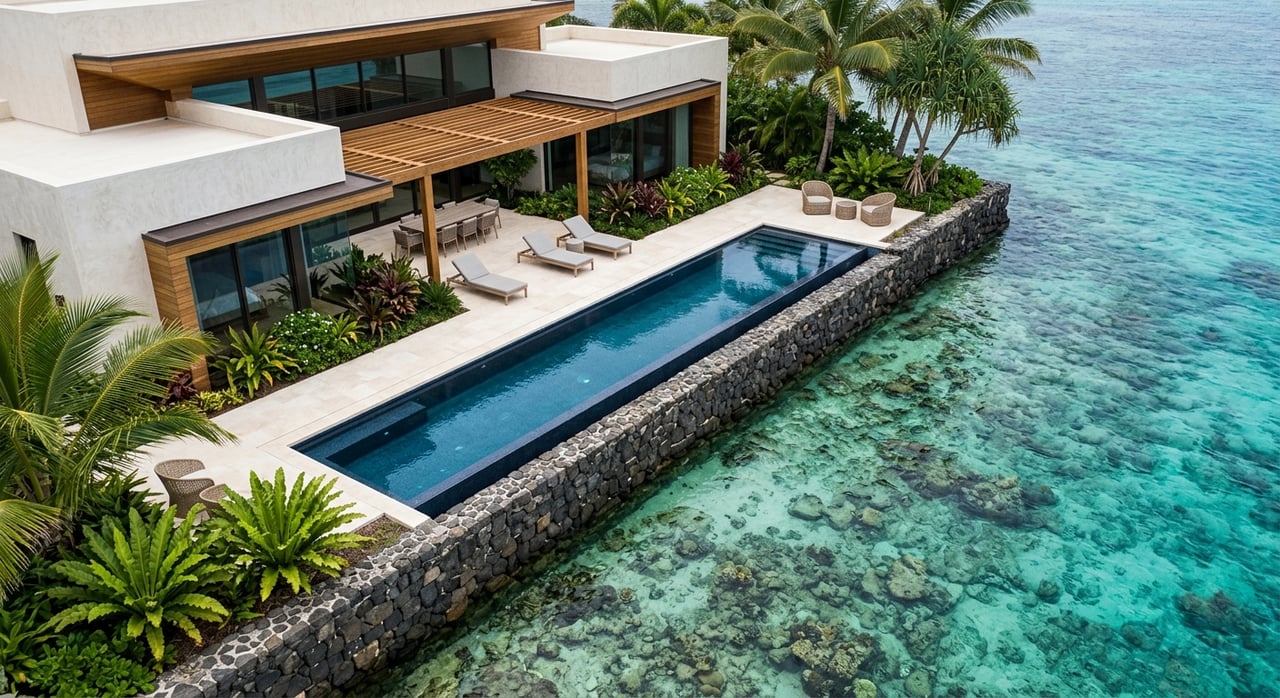
If you are drawn to East Oʻahu for its water views and estate feel, Portlock and Koko Kai stand out fast. These Maunalua Bay enclaves offer a different kind of luxury, one shaped by shoreline living, larger-feeling parcels, and a quieter neighborhood rhythm. If you want to understand what truly defines value here, this guide will walk you through the setting, the shoreline, and the details that matter most. Let’s dive in.
Why Portlock and Koko Kai Feel Distinct
Portlock and Koko Kai sit within the Maunalua Triangle area on the western slope of Koko Head. The local community association describes the area as having views that can include Diamond Head, Maunalua Bay, the Koʻolau Mountains, and Koko Crater. That visual backdrop is a big part of why these neighborhoods feel so special.
They also read differently from the broader Hawaiʻi Kai market. Hawaiʻi Kai is known as Oʻahu’s first planned community, with a strong coastal identity tied to Maunalua Bay, the marina, and water-oriented living. In Portlock and Koko Kai, that water connection feels more intimate and more estate-like, with quieter streets and a stronger focus on shoreline frontage and view corridors.
The Luxury Story Starts With the Land
In many neighborhoods, luxury begins with the house. In Portlock and Koko Kai, it often begins with the parcel itself. Shoreline rules, lot shape, and buildable depth all play a major role in how a property lives today and what flexibility it may offer over time.
Honolulu’s shoreline and subdivision rules help explain why. For newly created shoreline zoning lots after July 1, 2024, the City requires the lot to accommodate a 130-foot mauka setback from the certified shoreline, along with at least 5,000 square feet of buildable area outside that setback and minimum width and depth standards. In simple terms, those rules support deep, regular lots in shoreline areas and help preserve a lower-density feel.
That matters because luxury here is not just about finishes or square footage. It is also about privacy, protected sightlines, and the way a property sits between the street and the bay. In Portlock and Koko Kai, the land often does a lot of the talking.
Shoreline Living Is More Nuanced Here
One of the biggest misconceptions about this part of Maunalua Bay is that it should be judged like a long sandy beach neighborhood. That is not really the right lens. The shoreline here is better understood as a mix of bayfront edges, pocket beaches, reef areas, and lookout points.
Local sources describe Portlock Beach as a hidden gem used by fishermen, surfers, stand-up paddlers, and families looking for ocean access without heavy crowds. Nearby spots like Koko Kai Mini Beach Park and China Walls add to the shoreline experience, while the broader area is known for calm shallow waters in some sections and tide-pool settings in others. That creates a more varied waterfront lifestyle than a single resort-style strand would suggest.
For buyers, this means the appeal can differ from one property to the next. Some homes are all about direct water orientation. Others are about elevated views, quick access to the shoreline, or a sense of separation from busier coastal zones.
Maunalua Bay Adds Recreation and Stewardship
Maunalua Bay is scenic, but it is also a regulated marine area. The State’s Department of Land and Natural Resources identifies Maunalua Bay as a Fisheries Management Area on the southeast coast of Oʻahu. The Maunalua Bay launch ramp sits at the northeastern end of the bay at the base of Koko Head, and anchoring is by permit only.
That framework helps explain why waterfront living here feels both recreational and carefully managed. You get the benefit of a bay-centric lifestyle, but ownership near the water also comes with a stewardship component. In this area, oceanfront value is tied to access and setting, but also to permitting, shoreline review, and long-term coastal oversight.
Why Views Matter So Much
In Portlock and Koko Kai, views are not just a bonus feature. They are one of the neighborhood’s core assets. The surrounding scenery can include Maunalua Bay, Diamond Head, Koko Crater, and the Koʻolau range, and those sightlines do a lot to shape both the daily experience and buyer demand.
This helps explain why neighborhood oversight and shoreline rules carry so much weight. The local community association notes that deed restrictions are incorporated into each property deed and that its board helps enforce building restrictions, height limits, and architectural or minimum-building requirements. The association also reviews plans for new buildings and improvements, with the goal of helping protect views and property values.
For homeowners, this can support a more consistent visual environment. For buyers, it is one reason these neighborhoods often feel more preserved than areas where redevelopment can happen with fewer design controls.
Architecture Has Depth Here
The architecture story in Portlock is not limited to one style. You will find legacy homes, custom residences, and ongoing redevelopment that reflects changing tastes and modern priorities. What ties many properties together is a strong response to the site, whether that means framing the bay, opening to trade winds, or creating privacy from the street.
There is also real architectural pedigree in the area. Historic Hawaiʻi Foundation identifies the Henry Residence at 355A Portlock Road as one of the best examples of mid-century modern architecture in the neighborhood and credits architect Vladimir Ossipoff. That gives Portlock more than just luxury appeal. It gives the area a meaningful design legacy.
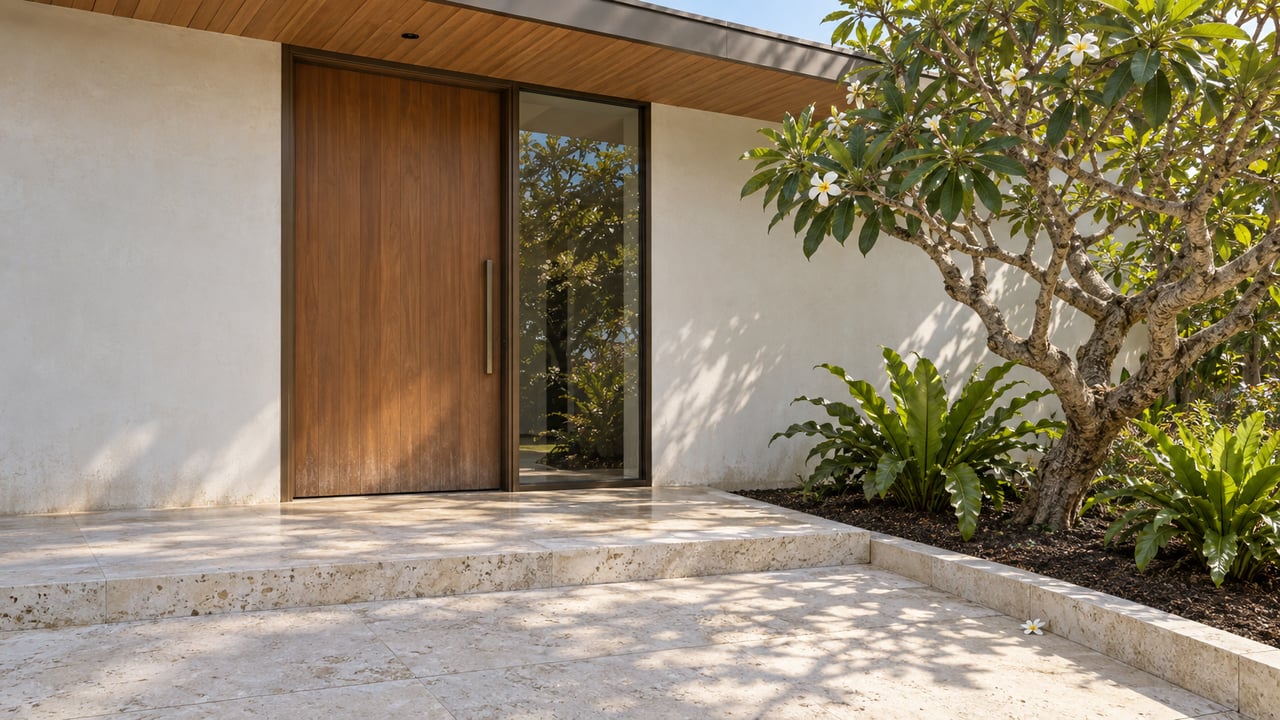
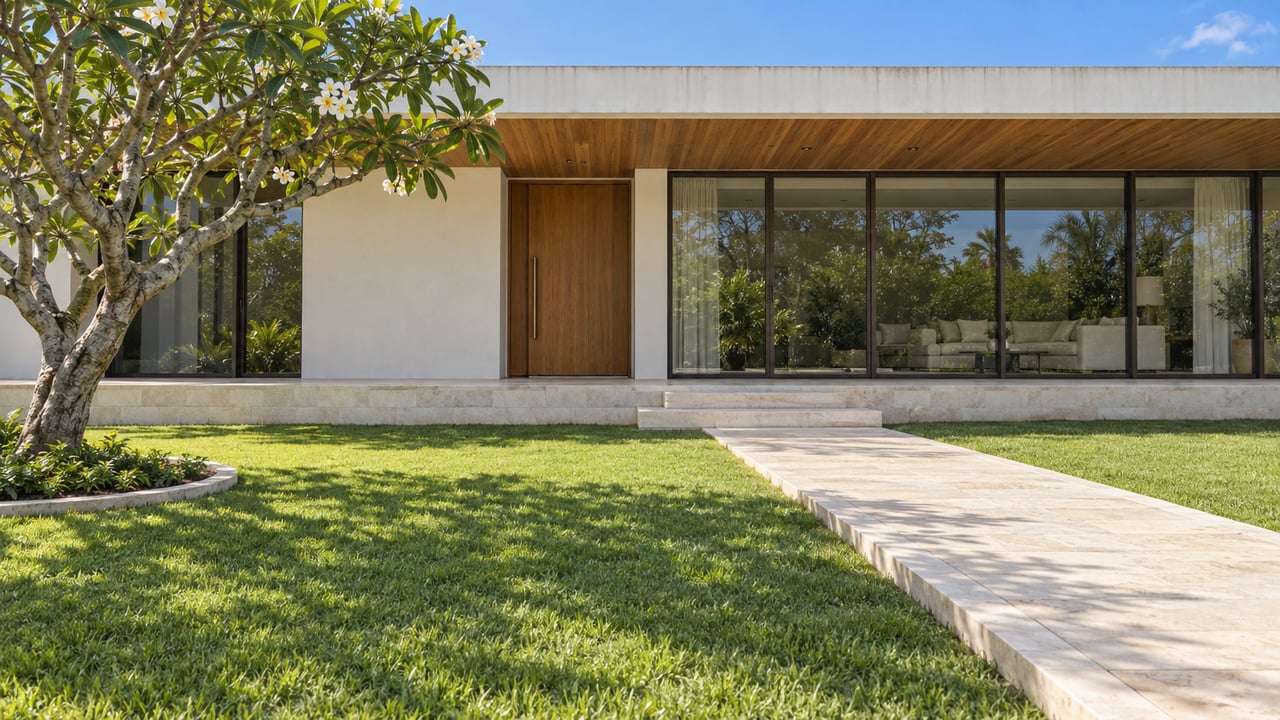
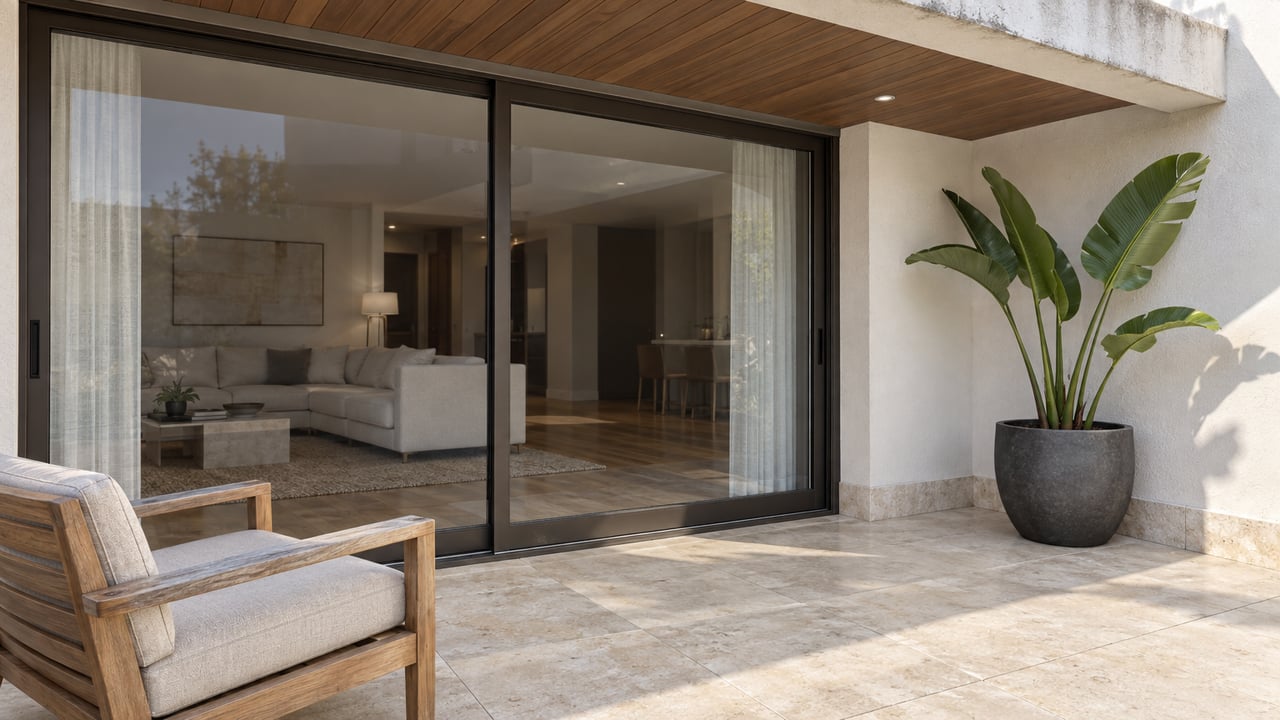
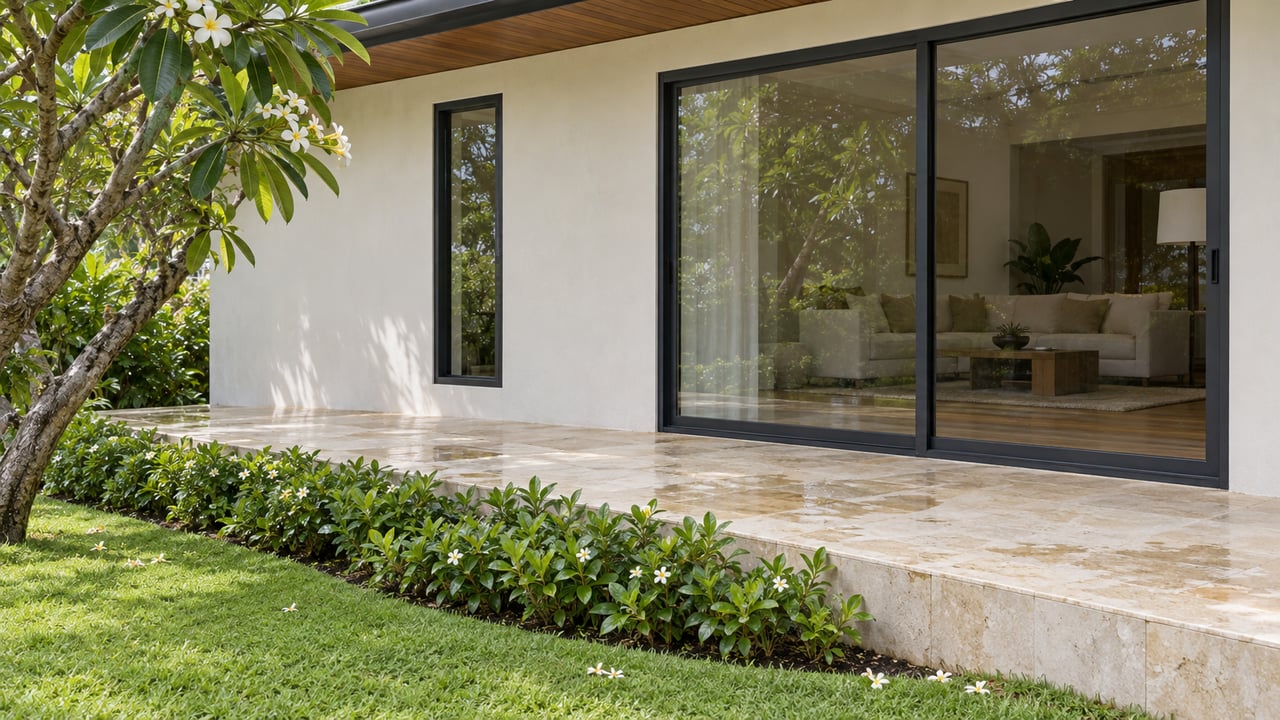
Today, that legacy often carries forward in a different visual language. Buyers are often drawn to homes that emphasize indoor-outdoor living, broad lanais, clean lines, and view-driven layouts that make the most of Maunalua Bay’s natural setting.
How Portlock and Koko Kai Compare to Hawaiʻi Kai
The broader Hawaiʻi Kai market gives useful context. Honolulu Magazine notes that Hawaiʻi Kai was developed in the 1960s as Oʻahu’s first planned community and includes about 300 acres of waterways, with some residents docking boats behind their homes. That broader setting helps explain why water access remains central to the identity of East Oʻahu real estate.
Portlock and Koko Kai, though, operate on a more micro-neighborhood level. They tend to feel quieter and more shoreline-oriented than marina-centered sections of Hawaiʻi Kai. Rather than focusing on town-center convenience or canal living, these enclaves are more often defined by estate lots, scenic outlooks, and the relationship between the home and the bay.
That distinction matters if you are choosing between different East Oʻahu lifestyles. If you want a luxury experience centered on scenery, privacy, and a more tucked-away coastal setting, Portlock and Koko Kai may offer a better fit.
What Buyers Should Watch Closely
If you are considering a purchase in Portlock or Koko Kai, due diligence should go well beyond the interior. Nearshore ownership in this part of Honolulu is shaped by certified shoreline surveys, shoreline setbacks, Special Management Area review, and coastal management requirements.
That does not mean every property carries the same constraints. It does mean that a careful review of the lot, the shoreline relationship, and any future improvement plans is essential. In a neighborhood where land geometry and view protection matter this much, the details behind the parcel are just as important as the home itself.
A smart buyer will usually focus on:
- The home’s specific shoreline orientation
- How views are framed and protected
- Existing neighborhood or deed-based restrictions
- Buildable area outside required setbacks
- Any planned renovations or additions and how they may be reviewed
What Sellers Can Highlight
If you own in Portlock or Koko Kai, your property story should be told with precision. Buyers in this segment are not only shopping for finishes. They are assessing shoreline position, privacy, view assets, and the overall quality of the setting.
That is why thoughtful presentation matters. Strong photography, a clear narrative around the lot and views, and a polished marketing strategy can help buyers understand what makes your home distinct within the broader Hawaiʻi Kai market. In a location this visual and this specific, the right positioning can make a meaningful difference.
The Lasting Appeal of Maunalua Bay Luxury
What sets Portlock and Koko Kai apart is not one flashy feature. It is the layered combination of land, water, architecture, and neighborhood stewardship. You are not simply buying a home near the ocean. You are buying into a highly specific coastal experience shaped by the geography of Maunalua Bay and the rules that help preserve it.
That is why these neighborhoods continue to hold such strong appeal for luxury buyers in East Oʻahu. They offer a rare blend of scenic drama, quieter living, and long-term value drivers that go far beyond surface-level design.
If you are thinking about buying or selling in Portlock or Koko Kai, working with someone who understands the micro-market can help you see the full picture. Mavis Nellas offers a thoughtful, neighborhood-focused approach to East Oʻahu real estate, with the local insight and elevated marketing strategy these special properties deserve.
FAQs
What makes Portlock and Koko Kai different from the rest of Hawaiʻi Kai?
- Portlock and Koko Kai are generally known for quieter streets, stronger shoreline orientation, and a more estate-like feel, while the broader Hawaiʻi Kai market also includes marina-centered housing and larger planned-community features.
What is the shoreline like in Portlock and Koko Kai?
- The shoreline is a mix of bayfront edges, pocket beaches, reef areas, and access points rather than one long continuous sandy beach.
Why are views so important in Portlock and Koko Kai?
- Views are central because the area can include outlooks toward Maunalua Bay, Diamond Head, Koko Crater, and the Koʻolau Mountains, and local rules help protect those sightlines.
What should buyers know about waterfront property in Koko Kai and Portlock?
- Buyers should pay close attention to certified shoreline surveys, setback rules, Special Management Area review, and other coastal requirements because these can affect use, improvements, and long-term planning.
Is there an architectural identity in Portlock?
- Yes, but it is broad rather than uniform, with a mix of legacy custom homes, newer redevelopment, and notable mid-century modern architecture in the area’s design history.