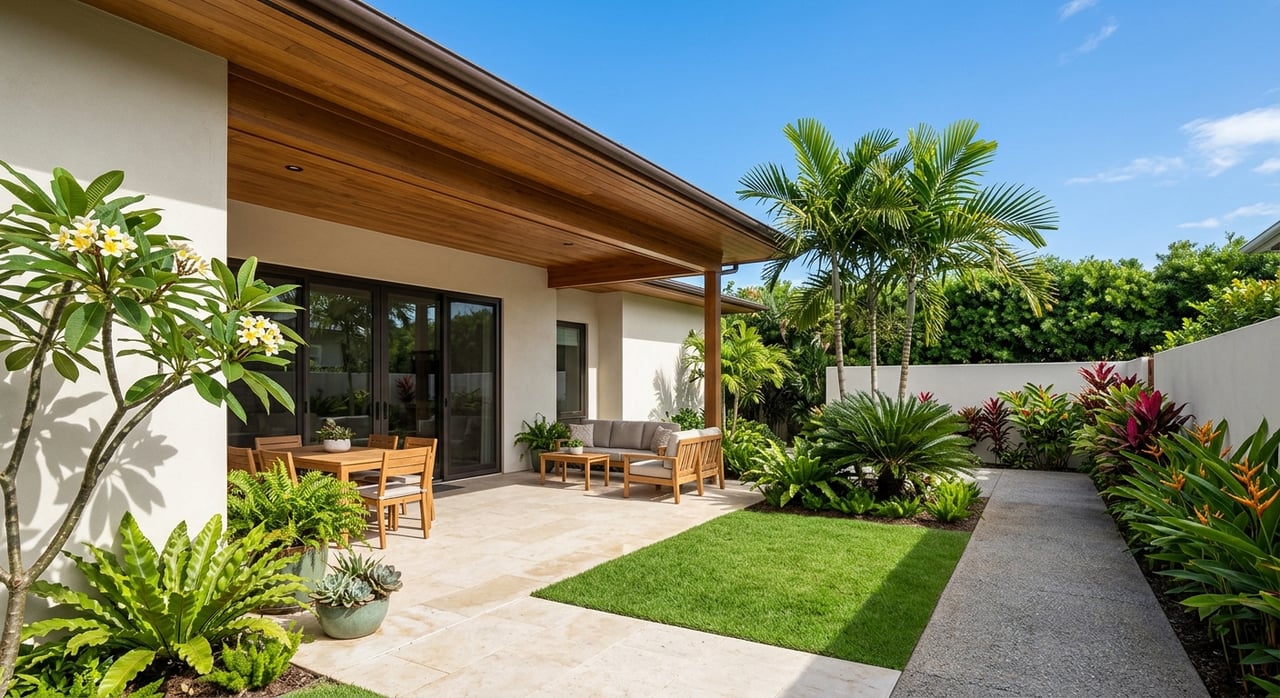
Wondering whether you should sell your Waipahu home or keep it as a rental? If you own property in 96797, that choice can feel especially tricky because both paths can make sense on paper. The key is knowing how local pricing, rental income, taxes, and landlord responsibilities actually fit your goals. Let’s break down a practical Central Oʻahu framework so you can make the decision with more clarity and less stress.
Start With the 96797 Market
Before you choose a path, it helps to understand what the current market is telling you. As of February 2026, 96797 was described by Realtor.com as a balanced market, with 134 homes for sale, 67 rentals, a median listing price of $527,500, a median rent of $2,600, a 100% sale-to-list ratio, and 38 median days on market.
That snapshot matters because it suggests you are not deciding in an extreme market. Homes are moving, but conditions do not appear overheated. On the rental side, inventory has increased, and pricing discipline matters.
Realtor.com also notes that 96797 rentals were up 82.61% year over year while median rent was down 3.70% year over year. In plain terms, that means if you rent your home, presentation, condition, and pricing strategy can make a real difference.
Use a Simple Sell vs. Rent Filter
A good first step is to ask one question: What do you need this property to do for you in the next few years?
If you need equity for your next purchase, want a cleaner exit, or do not want the work of being a landlord, selling may be the better fit. If you have strong reserves, a longer hold horizon, and rental income clearly covers your costs, renting may deserve a closer look.
This does not have to be emotional guesswork. You can run the decision through three filters: financial fit, operational fit, and timing.
Check the Financial Fit
A rental only works if the numbers work beyond the headline rent. Using the ZIP-level median rent of $2,600 and the median listing price of $527,500, the simple gross rent screen is about 5.9% before vacancy, repairs, insurance, HOA fees, and financing costs, based on Realtor.com market data for 96797.
That ratio is only a quick screen. It is not the same as net cash flow.
What to include in your rental math
If you are considering renting, make sure you account for:
- Mortgage payment
- Property taxes
- Insurance
- HOA or condo fees, if any
- Repairs and maintenance
- Vacancy periods
- Property management, if you will not self-manage
- Hawaiʻi rental tax obligations
Hawaiʻi states that rental proceeds are subject to Hawaiʻi income tax and GET, and transient accommodations may also trigger TAT. That means your real return can look very different from the advertised monthly rent.
Why rent numbers vary
You may see different rent figures depending on the source. The research for Waipahu shows Realtor.com’s ZIP median rent at $2,600, RentCafe’s Waipahu apartment average at $2,627, and Census QuickFacts for the Waipahu CDP at a median gross rent of $1,585.
These numbers are not necessarily in conflict. They reflect different geographies and methods, so it is best not to treat any one figure as universal for every home type in 96797.
Know When Selling May Make More Sense
Selling often fits best when your priority is simplicity, liquidity, or risk reduction. That is especially true if the home needs major repairs, your likely rent would be tight against expenses, or you want to avoid ongoing landlord obligations.
A sale may also make sense if you want to unlock equity for your next move. In a balanced market with a 100% sale-to-list ratio and median days on market of 38, many owners may find the sale process more straightforward than operating a rental in a highly regulated environment.
The tax angle can matter
If the home is your main home, timing can be important. The IRS says the federal main-home sale exclusion can be up to $250,000 for single filers and $500,000 for certain married filers if the ownership and use tests are met.
If you convert the home to a rental and sell later, those federal rules can still apply in some cases, but the outcome may change. Depreciation taken during rental use can be recaptured, and periods of nonqualified use can reduce the excluded gain, according to the IRS.
Know When Renting May Make More Sense
Renting tends to fit best when the property can carry itself comfortably and you are choosing a long-term hold on purpose. This path can be attractive if you want to keep the asset, are prepared for variable expenses, and understand the legal and tax obligations that come with being a landlord in Hawaiʻi.
It may also be more appealing if you believe keeping the property serves your broader financial plan better than selling today. Still, the decision should rest on conservative math and realistic expectations, not just the idea of collecting rent.
Waipahu can support rental demand
Waipahu has a mix of single-family homes, townhomes, and condominiums, and current 96797 rental examples highlighted by Realtor.com are mostly 2-bedroom attached units around $2,400 to $2,600 per month, according to the Waipahu area overview.
The area also benefits from transit connectivity. City transit information shows Waipahu connected into the Bus and Skyline network, which can support tenant demand depending on your property’s location and type.
Understand the Real Work of Landlording
Renting out your home is not just a financial choice. It is also an operations choice.
Hawaiʻi’s landlord-tenant rules create clear obligations for owners, and those obligations can shape whether renting feels manageable for your lifestyle.
Repairs move on a timeline
According to the Hawaiʻi Landlord-Tenant Handbook, emergency repairs must be started within three business days, and general repairs within 12 business days. Landlords must also maintain electrical, plumbing, garbage-bin, and running-water provisions.
If you do not have time, reserves, or vendor relationships to handle those needs quickly, renting can become stressful fast.
Deposits and move-in rules are specific
The handbook also says a landlord may generally collect first month’s rent and a security deposit up to one month’s rent, plus an additional pet deposit up to one month’s rent if agreed. A written inventory is required before occupancy, and the security deposit must generally be accounted for within 14 days after termination.
Those details matter because they affect how you onboard tenants and document the property condition from day one.
Rent increases require notice
There is no rent control in Hawaiʻi, according to the state handbook, but rent changes still follow notice rules. For month-to-month tenancies, rent increases require 45 days’ written notice, and for shorter-than-month-to-month tenancies, 15 days.
That means you do have flexibility, but not unlimited flexibility.
If you live off-island, you need local representation
If you move away and keep the home as a rental, Hawaiʻi requires more than casual oversight. The handbook says an absentee landlord must designate an agent who resides on the same island as the rental unit, and the tenant must receive written disclosure of the owner or agent authorized to receive rent, notices, and demands.
So if you are relocating away from Oʻahu, ask yourself whether you are truly set up to manage the property correctly.
Don’t Forget Property Tax Changes
One issue many owners miss is how a change in use can affect property taxes. Honolulu’s home exemption form says the exemption applies to a principal home and is currently $120,000 for those under age 65 and $160,000 for those age 65 and older.
Honolulu’s current residential tax rate is $3.50 per $1,000 of net taxable value. At that rate, losing a $120,000 exemption raises annual property tax by about $420, and losing a $160,000 exemption raises it by about $560.
That tax change is real, but for many Central Oʻahu owners, it is usually not the biggest factor in the decision. It should be part of your math, not the whole story.
A Practical Central Oʻahu Framework
If you are stuck, use this simple framework.
Sell if these sound like you
- You need cash or equity for your next purchase
- You want a simpler, cleaner transition
- You do not want landlord duties or repair timelines
- Your likely rent does not leave enough margin after costs
- You want to explore the federal main-home sale exclusion while eligible
Rent if these sound like you
- Your projected rent comfortably covers all expected costs
- You have reserves for repairs, vacancy, and turnover
- You are willing to follow Hawaiʻi landlord and tax rules
- You have a long-term hold strategy
- You can manage locally or have the right island-based support in place
The Best Answer Is Often Property-Specific
In 96797, there is no one-size-fits-all answer. A well-located home with manageable costs and strong reserves behind it may work as a rental. Another owner with the same ZIP code but different mortgage terms, repair needs, or moving plans may be much better off selling.
That is why the smartest next step is usually a property-specific review instead of a generic rule of thumb. If you want help thinking through the numbers, timing, and presentation strategy for your Central Oʻahu home, connect with Mavis Nellas for a personalized consultation.
FAQs
Should I sell or rent out my Waipahu home in 96797?
- It depends on your equity needs, expected rental cash flow, repair outlook, and willingness to take on Hawaiʻi landlord responsibilities.
What is the current home price outlook for 96797?
- As of February 2026, Realtor.com reported a median listing price of $527,500 in 96797, along with a balanced market, a 100% sale-to-list ratio, and 38 median days on market.
What rent can I expect for a rental home in Waipahu?
- Rent varies by property type and source, but the research shows a 96797 median rent of $2,600, with many current rental examples in Waipahu around $2,400 to $2,600 for 2-bedroom attached units.
What taxes apply if I rent out my Honolulu property?
- Hawaiʻi says rental proceeds are subject to Hawaiʻi income tax and GET, and some short-term or transient rentals may also trigger TAT.
What happens to my Honolulu home exemption if I stop living in the home?
- If the property no longer qualifies as your principal home, you may lose the home exemption, which can increase your annual property tax based on the current exemption amount and tax rate.
Can I rent out my Oʻahu home if I move off-island?
- Yes, but Hawaiʻi’s landlord-tenant handbook says an absentee landlord must designate an agent who resides on the same island as the rental unit and provide written disclosure to the tenant.