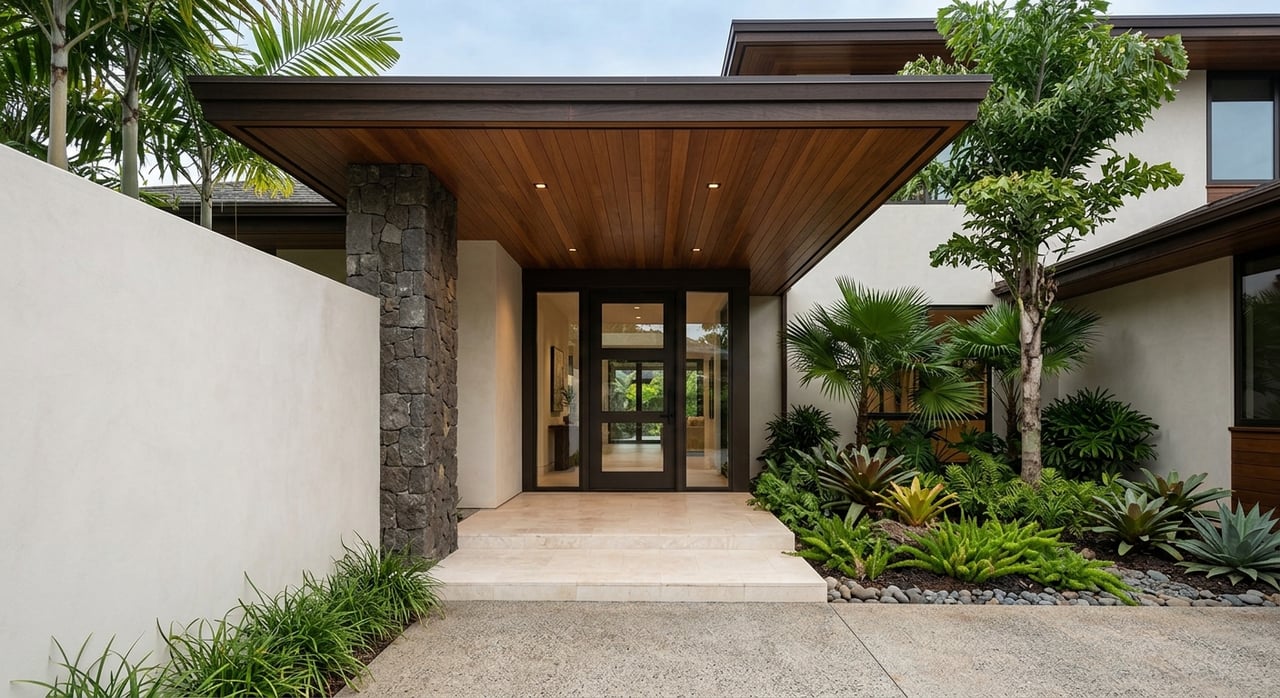
Curious why homes in Hawaiʻi Loa Ridge feel so visually consistent and why that matters when you buy, sell, or renovate there? In this community, the rules are a big part of the story. If you are considering a move, preparing a listing, or thinking about a remodel, understanding how the ridge is governed can help you make smarter decisions. Let’s dive in.
Hawaiʻi Loa Ridge works differently
Hawaiʻi Loa Ridge is a managed private community in East Honolulu with about 557 homes. It includes private roads, controlled access, gatehouse security, tennis courts, parks, a community building, maintained common landscaping, and 24-hour mobile security. According to the association’s governing language, the rules are intended to preserve and enhance values, desirability, amenities, aesthetic standards, attractiveness, and quiet enjoyment.
That framework affects daily life in practical ways. The rules apply not only to owners, but also to tenants, guests, agents, employees, contractors, subcontractors, and delivery personnel. Resident vehicles are registered, decals and access cards are issued, visitors are expected to be registered in advance, and unauthorized access can be denied.
Why rules influence design
In many neighborhoods, home design is shaped mostly by zoning and owner preference. In Hawaiʻi Loa Ridge, the CC&Rs go further by setting a clear architectural direction for the community. The goal is to preserve public views, protect the natural advantages of the site, and promote a unified residential character that works with the terrain.
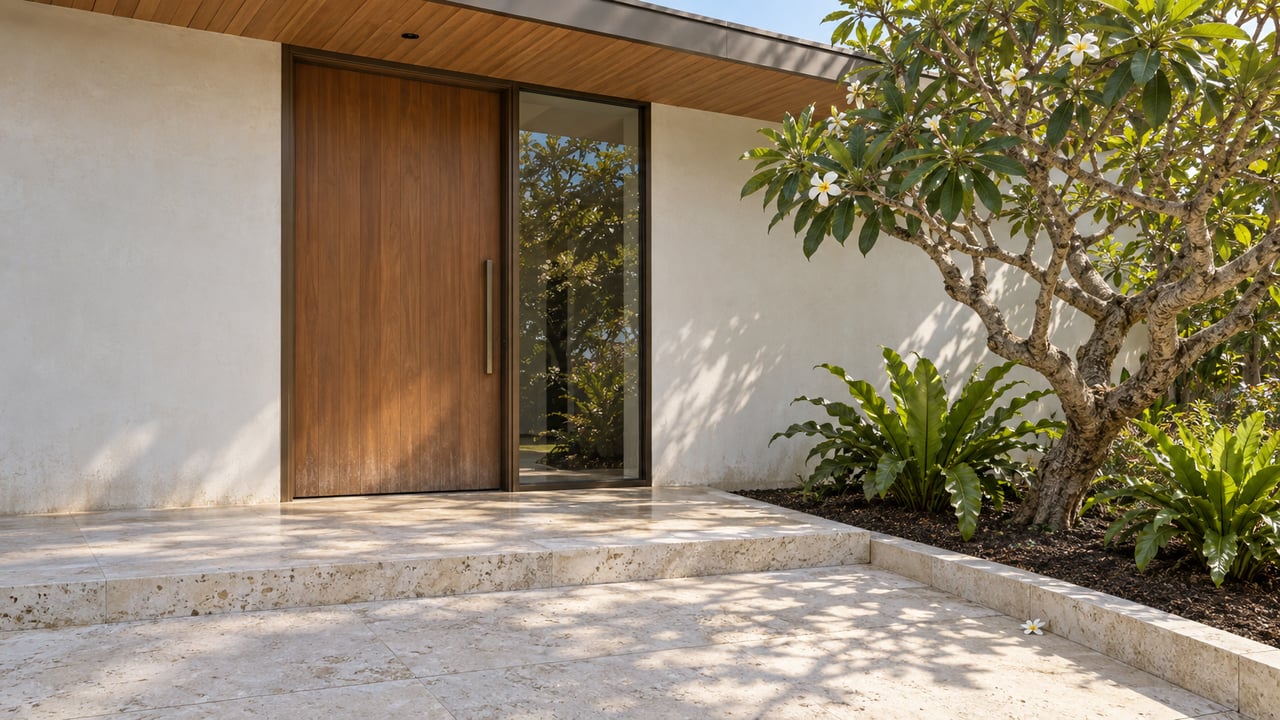
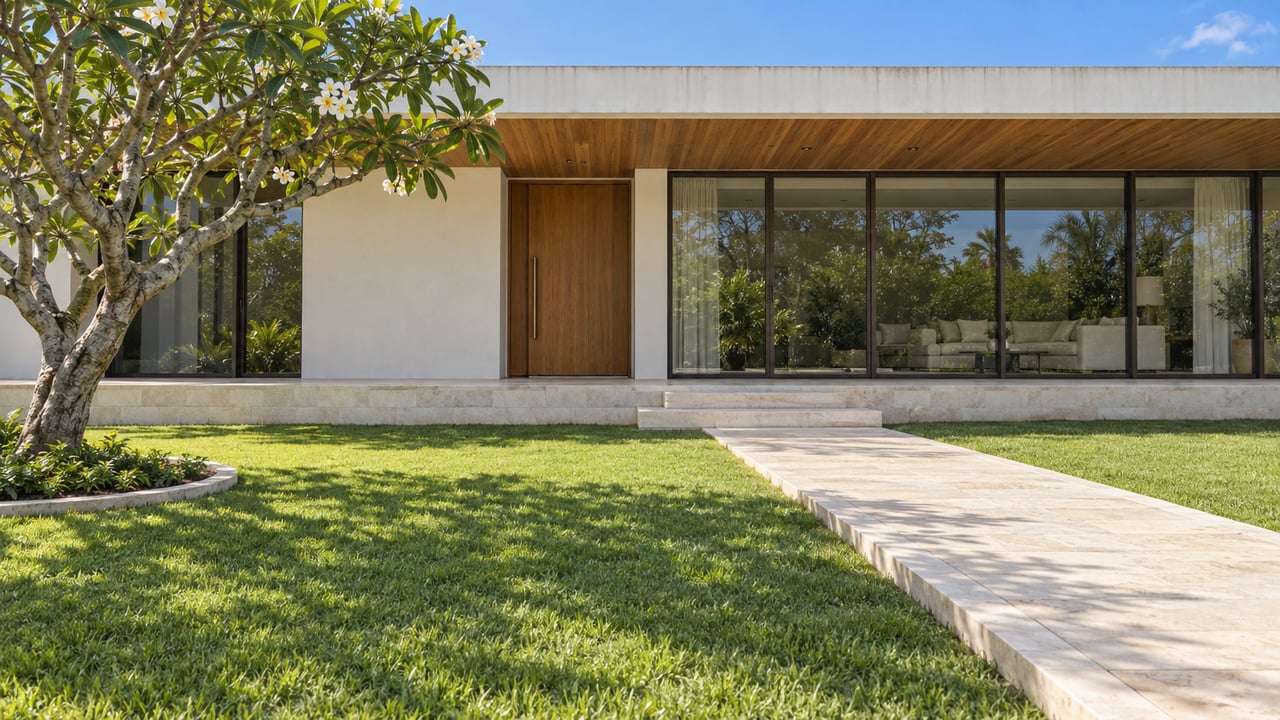
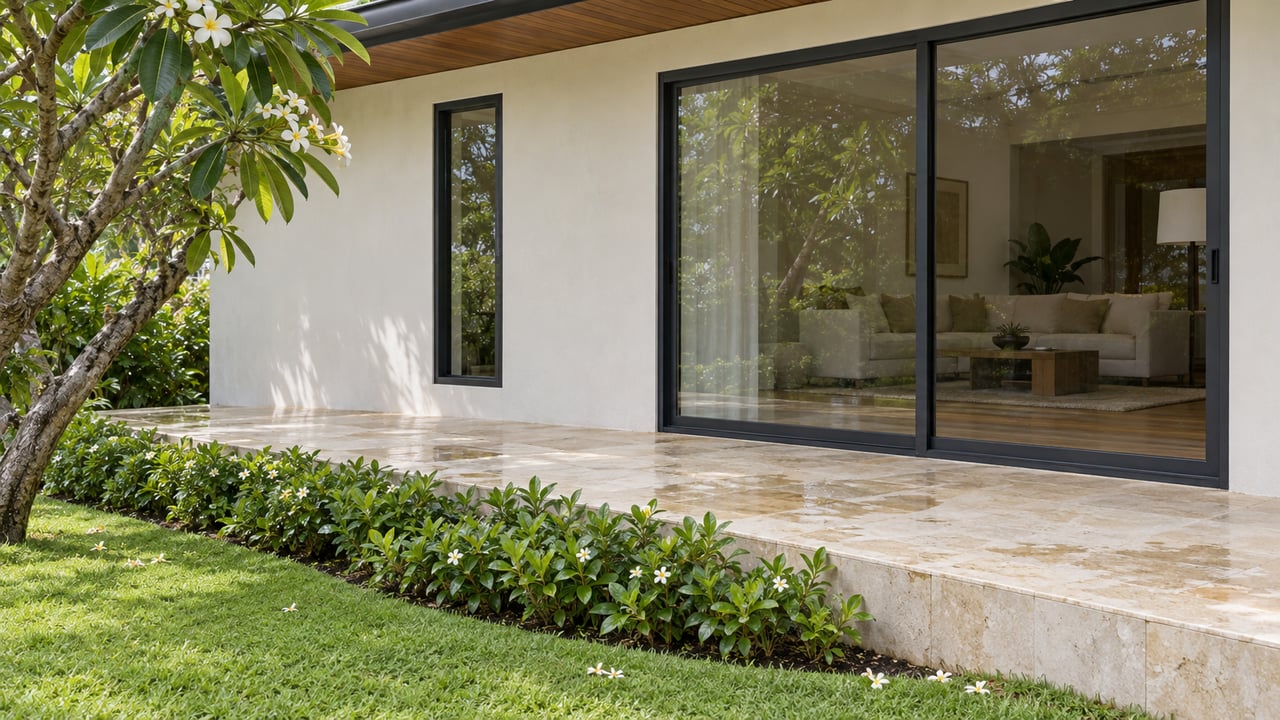
That means the documents encourage informal forms, natural materials, muted colors, stepped building forms that follow the land, and low-profile structures. They also discourage harsh contrasts and what the documents describe as faddish or self-conscious design. In simple terms, the neighborhood is meant to feel visually coherent from multiple angles across the ridge.
The overall look is intentional
If you walk or drive through Hawaiʻi Loa Ridge, the visual consistency is not accidental. The community standards are written to reduce visual clutter and support a more harmonious streetscape. That can shape how a home presents today and how it may be perceived by future buyers.
This does not mean every property looks the same. It means homes are guided by a shared design language that responds to slope, views, and the surrounding setting. For buyers and sellers in a high-end market, that consistency can become part of the neighborhood’s appeal.
Key design rules that affect homes
Several standards in the governing documents have a direct effect on how homes are built, updated, and marketed.
Height and setback limits matter
The CC&Rs generally require a 20-foot street setback. They also limit improvements to 18 feet above the highest existing ground elevation at the structure. On a ridge lot, that can significantly shape rooflines, massing, and the way indoor and outdoor spaces are arranged.
These rules often encourage homes that step with the slope rather than overpower it. For owners planning changes, that can affect what is realistic before design work even begins. For buyers, it can help explain why many homes feel low-profile despite dramatic sites and expansive views.
Exterior materials are tightly controlled
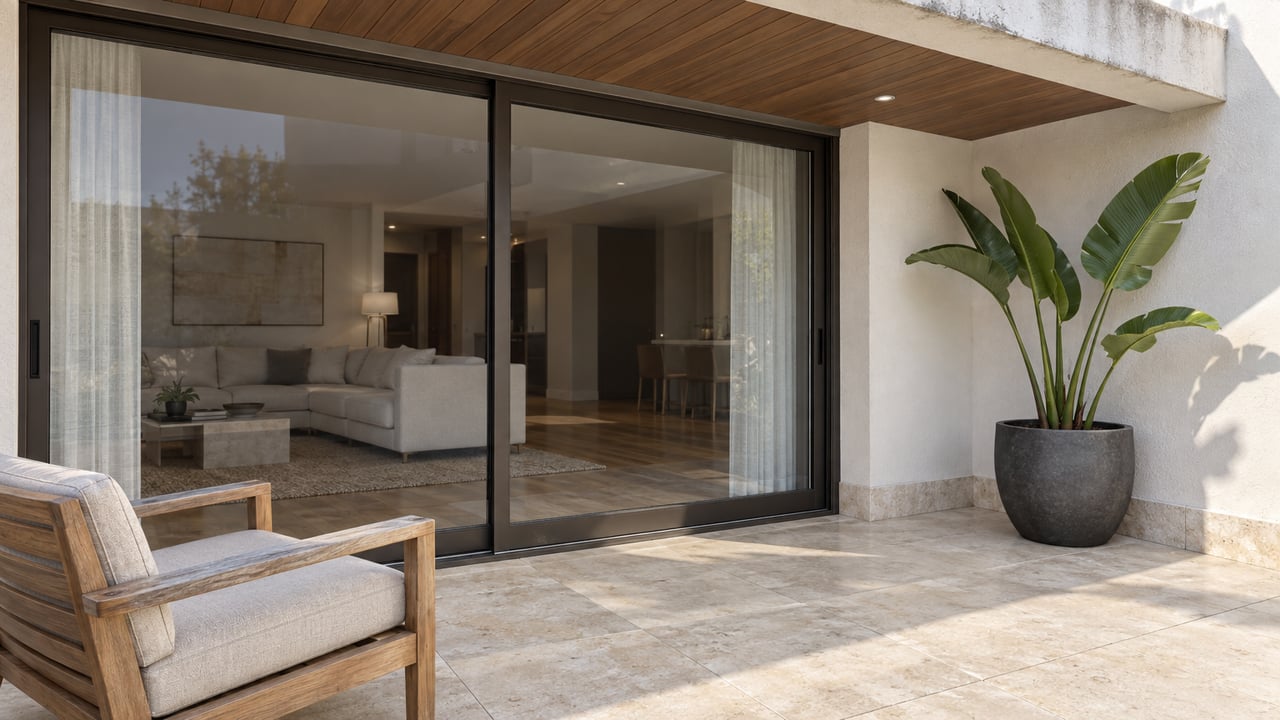
The documents also regulate finishes that would stand out too strongly. Roofs must be earth-toned and non-glare. Bright whites are not permitted on exterior walls, mirrored glass is barred, and many glossy or reflective finishes are prohibited.
Those choices shape curb appeal in a very specific way. Rather than sharp contrast or highly reflective surfaces, the neighborhood leans toward materials and colors that blend into the hillside setting. If you are preparing a home for sale, these standards can influence both renovation choices and presentation strategy.
Garages and fences affect form
The rules generally require double-car garages and prohibit carports and single-car garages. Fence height is also capped or otherwise controlled. These details may sound minor, but they influence how the front of a home looks and how much visual openness remains along the street.
In a luxury community, small design controls often add up. Garage requirements, fence restrictions, and finish standards can create a cleaner, more consistent appearance across the neighborhood. That consistency is one reason buyers often see Hawaiʻi Loa Ridge as a very distinct segment of the East Honolulu market.
Renovations require real planning
If you own in Hawaiʻi Loa Ridge or hope to, it is important to know that exterior work is not a quick casual process. Renovation is managed through architectural review, and owners must notify the Architectural Committee before moving forward. The association then provides a building guide and requires a detailed submission package.
That package can include plot and site information, grading, drainage, roof plans, utility locations, setback lines, view channels, landscape plans, elevations, material samples, and a construction schedule. The documents also contemplate architect involvement and require written approval before work proceeds. In other words, the process rewards preparation.
Timeline rules are just as important
Getting approval is only part of the equation. The governing documents state that approval can be revoked if work does not begin within the prescribed time. Construction generally must also be completed within 18 months.
The association has inspection rights at framing and later stages to confirm substantial compliance with approved plans. If a project stalls or materially deviates from what was approved, the board can require remediation. In some cases, the rules also allow fines or access restrictions.
What that means for owners
For homeowners, the biggest takeaway is that renovation in Hawaiʻi Loa Ridge usually takes more documentation, more coordination, and more patience than in less regulated neighborhoods. Even changes that feel simple on the surface may involve a deeper review. That can be frustrating if you are unprepared, but it can also help preserve the community’s overall look and rhythm.
For sellers, this matters because buyers often ask what can be changed after closing. For buyers, it matters because future plans for expansion, exterior updates, or reconfiguration should be evaluated early. A design-forward idea still has to fit the ridge’s rules.
How the rules may affect value
The association documents directly state that the restrictions are intended to preserve and enhance value, desirability, and attractiveness. That does not prove a one-to-one effect on price. Still, the practical result is a more controlled streetscape, stronger privacy systems, less visual clutter, and better protection of views.
In a luxury market, those qualities can carry real weight. Buyers at the upper end often care about predictability, privacy, and how neighboring properties are maintained. Hawaiʻi Loa Ridge’s framework is designed around those concerns.
Market snapshots show a premium segment
Current market snapshots support Hawaiʻi Loa Ridge’s place in East Honolulu’s luxury tier. Realtor.com showed Hawaiʻi Loa Ridge at about $3.83 million median listing price, with 16 homes for sale, 4 rentals, and a median 78 days on market. The same source placed East Honolulu overall at about $1.49 million median listing price.
Redfin reported East Honolulu at about $1.48 million median sale price in March 2026. These are only snapshots, but they help show that Hawaiʻi Loa Ridge sits in a very premium, limited-inventory segment of the market. For buyers and sellers, that makes neighborhood-specific knowledge especially important.
How Hawaiʻi Loa Ridge compares nearby
East Honolulu has several high-profile neighborhoods, but the governance structure is not the same everywhere. That is important if you are comparing lifestyle, design freedom, and long-term planning.
Waialae Iki offers a looser model
Waialae Iki is a useful comparison because it also has covenant language and security. However, its community association says membership is not mandatory, dues mainly fund a security patrol, and the organization encourages observance of its protective provisions and Honolulu ordinances. Its building requirements describe a trustee and architectural advisory process, but the overall model reads as less gate-centric than Hawaiʻi Loa Ridge.
For a buyer, that difference may affect expectations around access, oversight, and exterior control. For a seller, it can shape how you position a property against nearby alternatives. The neighborhoods may compete for similar interest, but they do not function the same way.
Portlock is more of a lifestyle comparison
Portlock is another well-known East Honolulu neighborhood, but it is structured differently. Available reporting describes voluntary dues and a declaration of protective provisions, with some upper Portlock Road addresses also subject to separate architectural requirements. Realtor.com showed only a small amount of active inventory and no current Portlock-specific median price.
That makes Portlock more of a prestige and lifestyle comparison than a direct match for a gated ridge community with stronger centralized controls. If you are deciding where to buy or how to price a home, understanding those differences can help you compare more accurately.
What buyers and sellers should watch
If you are buying in Hawaiʻi Loa Ridge, look beyond the view and the finishes. Review the community rules, ask questions about past approvals, and think carefully about any future exterior plans. A home that looks move-in ready today may still come with important limits on what you can do later.
If you are selling, the same rules can become part of the value story. Privacy systems, controlled access, a more unified visual environment, and a limited luxury inventory all help define how the neighborhood is perceived. A strong listing strategy should explain not just the house, but also how the community framework supports its market position.
In a neighborhood this specific, presentation matters. Design choices, compliance history, and a clear understanding of what makes Hawaiʻi Loa Ridge different can all influence how confidently buyers respond. That is where local, neighborhood-level guidance can make a real difference.
If you are thinking about buying or selling in Hawaiʻi Loa Ridge, Mavis Nellas can help you navigate the details with a thoughtful, design-aware, neighborhood-focused approach.
FAQs
How do Hawaiʻi Loa Ridge rules affect home design?
- The CC&Rs encourage low-profile homes, muted colors, natural materials, stepped forms that follow the land, and non-reflective finishes, while also limiting height, setbacks, and certain exterior features.
Do homeowners need approval for renovations in Hawaiʻi Loa Ridge?
- Yes. Exterior work generally requires review by the Architectural Committee, detailed plan submissions, and written approval before construction starts.
Why is Hawaiʻi Loa Ridge considered a premium East Honolulu market?
- Market snapshots showed a much higher median listing price in Hawaiʻi Loa Ridge than East Honolulu overall, and the community’s privacy systems, controlled access, and design standards help set it apart.
What makes Hawaiʻi Loa Ridge different from Waialae Iki?
- Waialae Iki also uses protective provisions and security, but its association model is described as less mandatory and less gate-centric than Hawaiʻi Loa Ridge.
What should buyers review before purchasing in Hawaiʻi Loa Ridge?
- Buyers should review the community rules, ask about approval requirements for future exterior changes, and understand how the architectural and access standards may affect long-term plans.