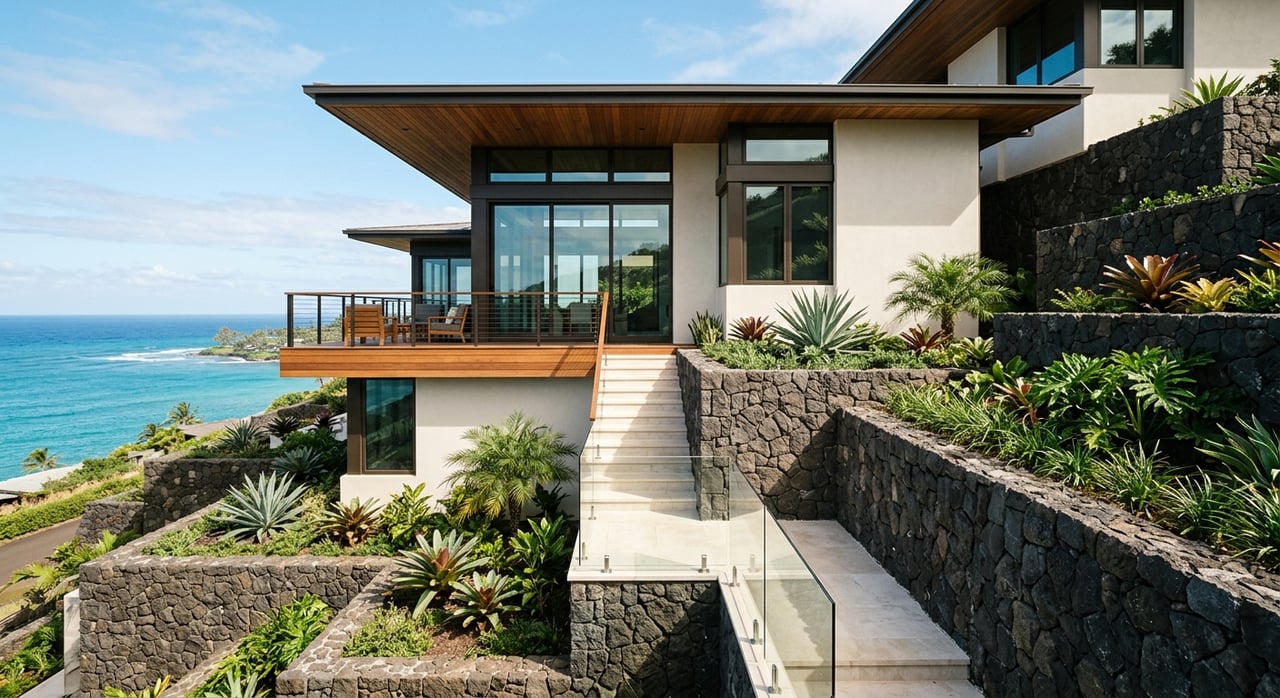
If you are searching in Hawaiʻi Kai, one of the first things to know is this: you are not shopping in one simple neighborhood. You are really choosing between several micro-markets, each with its own mix of home types, price points, views, access, and day-to-day upkeep. Once you understand how those pockets differ, it becomes much easier to focus your search, protect your budget, and find a home that fits your lifestyle. Let’s dive in.
Why Hawaiʻi Kai Feels So Different
Hawaiʻi Kai covers a large part of East Honolulu, stretching from Makapuʻu Point to the western outlet of Kuapa Pond and up to the Maunalua Ridge and Koʻolau crest. City and County of Honolulu planning data shows the district has about 30,444 residents and 11,003 households, with an average household size of 2.76.
That broad footprint helps explain why buyers often experience Hawaiʻi Kai as a group of smaller neighborhoods rather than one uniform market. In practice, most people compare areas based on things like detached versus attached housing, marina access, ridge views, privacy, and maintenance needs.
Another important piece of context is that Hawaiʻi Kai is considered a built-out community in East Honolulu planning documents. That means today’s buyers are often choosing among existing neighborhood patterns instead of expecting major new road or area-changing development.
Think in Micro-Markets, Not One Market
A pocket-by-pocket approach matters because prices and lifestyle tradeoffs can vary a lot within Hawaiʻi Kai. Research for this topic shows that current pricing ranges from entry-level marina condos around the mid-$500,000s to luxury ridge and shoreline properties well into the multimillion-dollar range.
That kind of spread means a home search in Hawaiʻi Kai usually starts with clarifying how you want to live. Do you want waterfront orientation, a more traditional single-family layout, dramatic views, or a lower-maintenance property close to everyday errands?
When you answer those questions first, neighborhood names start to make more sense. The main pockets many buyers compare are marina-front communities, valley neighborhoods, ridge neighborhoods, and a few premium shoreline outliers.
Marina-Front Neighborhoods
What These Areas Offer
Marina-front pockets include Hawaiʻi Kai Marina, West Marina, The Peninsula, and other nearby marina-adjacent communities. This is the most water-oriented part of Hawaiʻi Kai, with many condos and townhomes plus a smaller number of waterfront single-family properties.
For many buyers, these neighborhoods stand out because they offer a stronger waterfront feel and, in some cases, the potential for boat-dock access. They also sit close to one of Hawaiʻi Kai’s main commercial and errand hubs near Hawaiʻi Kai Towne Center, which can make daily routines feel more convenient.
Who They Often Fit Best
If you want easier access to shopping and services, plus a setting that feels connected to the marina lifestyle, this part of Hawaiʻi Kai may be a strong fit. These neighborhoods can also appeal to buyers looking for a more accessible entry point than ridge or shoreline luxury homes.
This does not mean every marina property is low-cost. Pricing still varies widely depending on the exact building, condition, frontage, and whether the property is a condo, townhome, or single-family home.
What to Watch Closely
The tradeoff with marina-front living is often shared maintenance or HOA exposure, especially in condo and townhome communities. You may also have shared walls, community rules, and monthly dues that affect your total housing cost.
Flood risk is another practical issue to review carefully. FEMA reported updated Honolulu County flood maps in 2025, and buyers should check property-specific flood map information before making an offer, especially in lower-lying waterfront locations.
Valley Neighborhoods
What These Areas Offer
Valley pockets include Hahaione, Kalama Valley, Kamilo Nui, and other interior or mauka neighborhoods. These areas are often where buyers find more detached single-family homes, along with some townhomes and newer infill housing.
Compared with the marina corridor, valley neighborhoods usually offer more yard space, more privacy, and a more traditional residential feel. For buyers who want room to spread out without paying the premium often attached to ridge or shoreline locations, these areas are often worth a close look.
Why Many Buyers Start Here
Valley neighborhoods can be a smart starting point if you want more land utility and a quieter setting. They may also offer a broader mix of remodeled homes, long-held properties, and some newer construction near valley-edge or golf-course-adjacent locations.
One reason these neighborhoods attract so much interest is that they often balance space and price in a practical way. You may give up immediate water access, but you can gain a lot in terms of livability and flexibility.
What to Watch Closely
East Honolulu planning comments suggest some mauka pockets are intentionally less through-connected. The community opposed extending Hawaiʻi Kai Drive through Kamilo Nui Valley and preferred that connection remain a bike path only, which helps explain why some of these neighborhoods feel tucked away.
That quieter feel can be a plus, but access routes still matter. Planning comments also flagged speeding concerns on Hawaiʻi Kai Drive between Kalama Valley and Lunalilo Home Road, so buyers should pay attention to their likely daily routes and commute patterns.
Ridge Neighborhoods
What These Areas Offer
Ridge pockets include Mariners Ridge and Hawaiʻi Loa Ridge. These neighborhoods are known for elevated hillside sites, multi-level floor plans, and broad ocean, mountain, and coastline views.
For many buyers, this is where Hawaiʻi Kai becomes a view-driven search. In these neighborhoods, elevation and lot position often shape value in a major way.
Why Buyers Pay a Premium
Buyers drawn to ridge living are often looking for privacy, breezes, and dramatic view corridors. These homes can feel especially distinctive because the setting itself becomes part of the daily living experience.
Research for this topic shows that current pricing in these ridge areas tends to run above many valley and marina options, with Hawaiʻi Loa Ridge standing out as a premium comparator within East Honolulu. That price difference reflects how strongly buyers value the combination of views, positioning, and privacy.
What to Watch Closely
Ridge living usually brings practical tradeoffs along with the views. Steeper streets, more wind exposure, and more demanding exterior maintenance can all become part of ownership planning.
That does not make ridge properties less appealing. It simply means you should evaluate not just the view, but also lot usability, access, and the long-term upkeep that may come with a hillside property.
Premium Shoreline Outliers
Why Portlock and Koko Kai Stand Apart
Portlock and Koko Kai are best understood as premium comparators rather than typical Hawaiʻi Kai entry points. These shoreline areas sit in a different pricing and property-size conversation than many other neighborhood pockets.
Research for this topic shows that Portlock and Koko Kai command a clear value step-up, with listings and market snapshots reflecting multimillion-dollar pricing. Buyers usually enter these areas because they want large lots, stronger ocean orientation, and estate-style homes.
What Buyers Should Review
With shoreline properties, due diligence becomes especially important. East Honolulu planning materials highlight shoreline access, sea-level-rise considerations, climate-related planning, and public access corridors.
Flood map review also matters here. For coastal and shoreline-oriented properties, buyers should look closely at current flood mapping and understand how site-specific conditions may affect insurance, mitigation planning, and ownership costs.
How To Decide Which Pocket Fits You
The best Hawaiʻi Kai neighborhood for you usually comes down to matching your priorities to the right micro-market. A beautiful home in the wrong setting can feel less satisfying than a well-matched home in the right pocket.
Start by asking yourself a few simple questions:
- Do you want a condo, townhome, or detached single-family home?
- Is marina access important, or would you rather have more yard space?
- Are views a must-have, or would you trade them for easier upkeep?
- Do you want to be near errands and activity, or in a quieter tucked-away area?
- Are you comfortable with HOA dues, rules, or shared maintenance?
- Will flood exposure, slope conditions, or road access affect your comfort level?
When you know your priorities, you can narrow the search faster and make better comparisons. That is especially helpful in Hawaiʻi Kai, where two homes with similar square footage may offer very different lifestyles.
Smart Due Diligence Before You Offer
No matter which pocket you prefer, there are a few checks that matter across the board. These details can shape both your ownership experience and your total monthly cost.
Here are some of the most important items to review:
- Flood map status, especially for marina-front and shoreline properties
- HOA dues, rules, and maintenance responsibilities for condos and townhomes
- Exterior maintenance needs for ridge and hillside homes
- Road access and daily traffic patterns, especially in mauka pockets
- Property-specific site conditions that may affect insurance or upkeep
In a market like Hawaiʻi Kai, due diligence is not just a box to check. It is part of choosing the right neighborhood fit.
The Bottom Line for Buyers
Hawaiʻi Kai works best when you think beyond the ZIP code and focus on the pocket that matches how you want to live. Marina areas, valley neighborhoods, ridge communities, and premium shoreline enclaves all offer something different, and each comes with its own tradeoffs.
If you are comparing options in East Oʻahu, local guidance can make that process much easier. The right strategy is not just finding what is available. It is understanding which Hawaiʻi Kai micro-market supports your budget, priorities, and long-term plans. When you are ready to explore your options, Mavis Nellas can help you navigate Hawaiʻi Kai with clear, neighborhood-focused guidance.
FAQs
What makes Hawaiʻi Kai different from other Honolulu neighborhoods for buyers?
- Hawaiʻi Kai is made up of several micro-markets with different home types, price points, views, access patterns, and maintenance needs, so buyers usually compare specific pockets rather than treating it as one uniform area.
What are the main neighborhood types in Hawaiʻi Kai for homebuyers?
- Buyers usually compare marina-front communities, valley neighborhoods, ridge neighborhoods like Mariners Ridge and Hawaiʻi Loa Ridge, and premium shoreline areas such as Portlock and Koko Kai.
Which Hawaiʻi Kai neighborhoods may offer more accessible price points?
- Marina condos and townhomes, along with some interior valley neighborhoods, often provide more accessible entry points than ridge or shoreline homes, though pricing still varies by property type, condition, and exact location.
What should buyers check before making an offer in Hawaiʻi Kai?
- Buyers should review flood maps, HOA dues and rules, exterior maintenance responsibilities, shoreline or slope-related conditions, and road access or commute patterns depending on the property’s location.
Why do ridge neighborhoods in Hawaiʻi Kai cost more?
- Ridge neighborhoods often command higher prices because buyers value elevated sites, privacy, breezes, and wide ocean or coastline views, though those homes may also come with steeper streets and more complex upkeep.
Why is flood map research important for Hawaiʻi Kai buyers?
- Flood map research is especially important for marina-front and shoreline properties because flood exposure can affect insurance, mitigation planning, and your overall ownership costs.