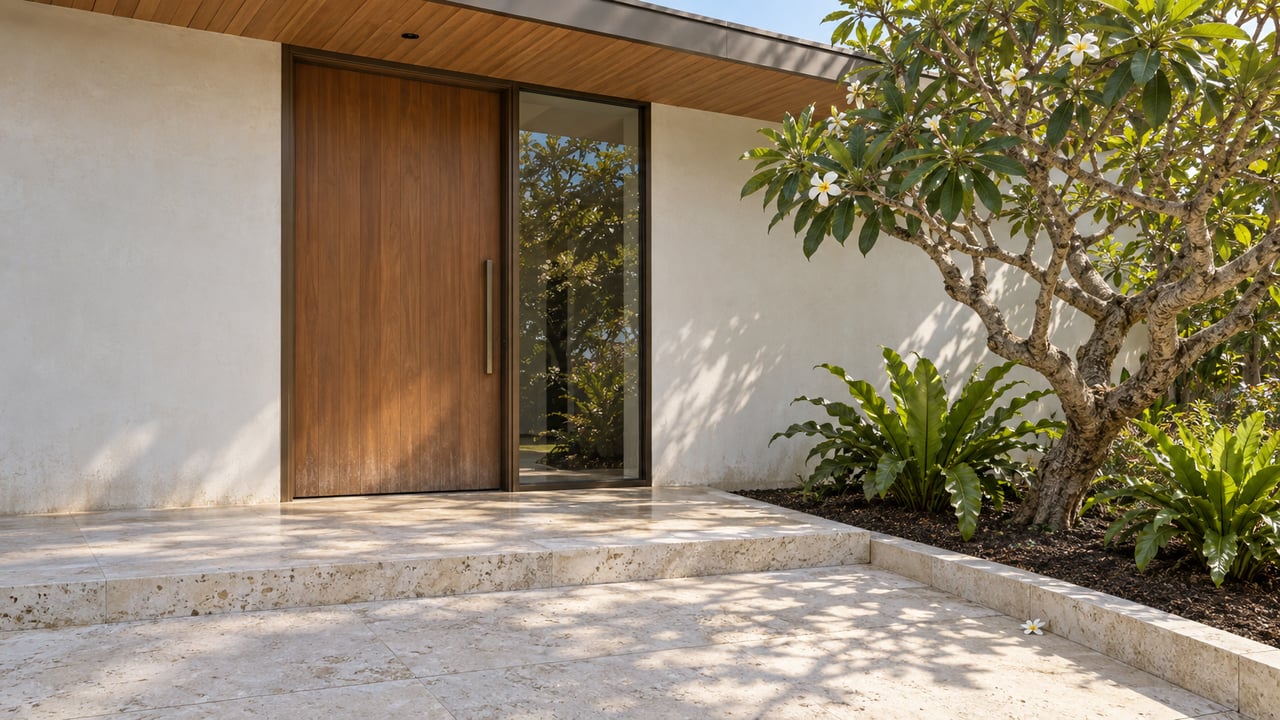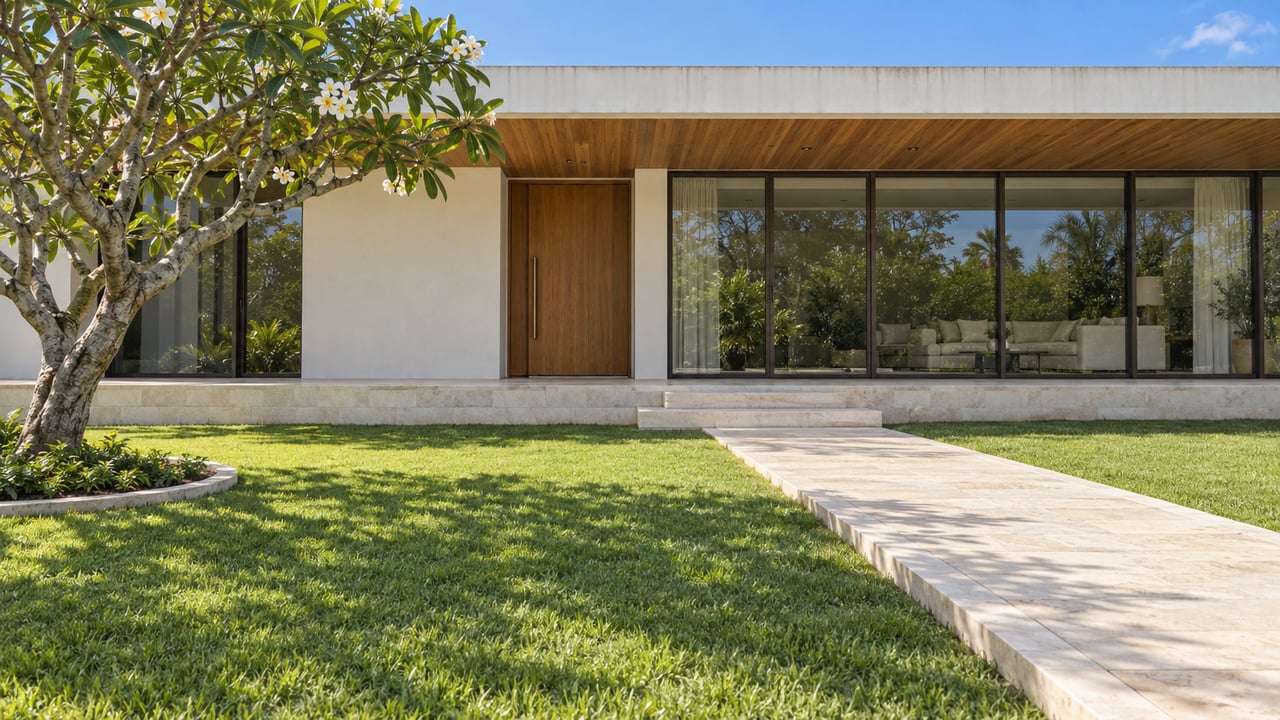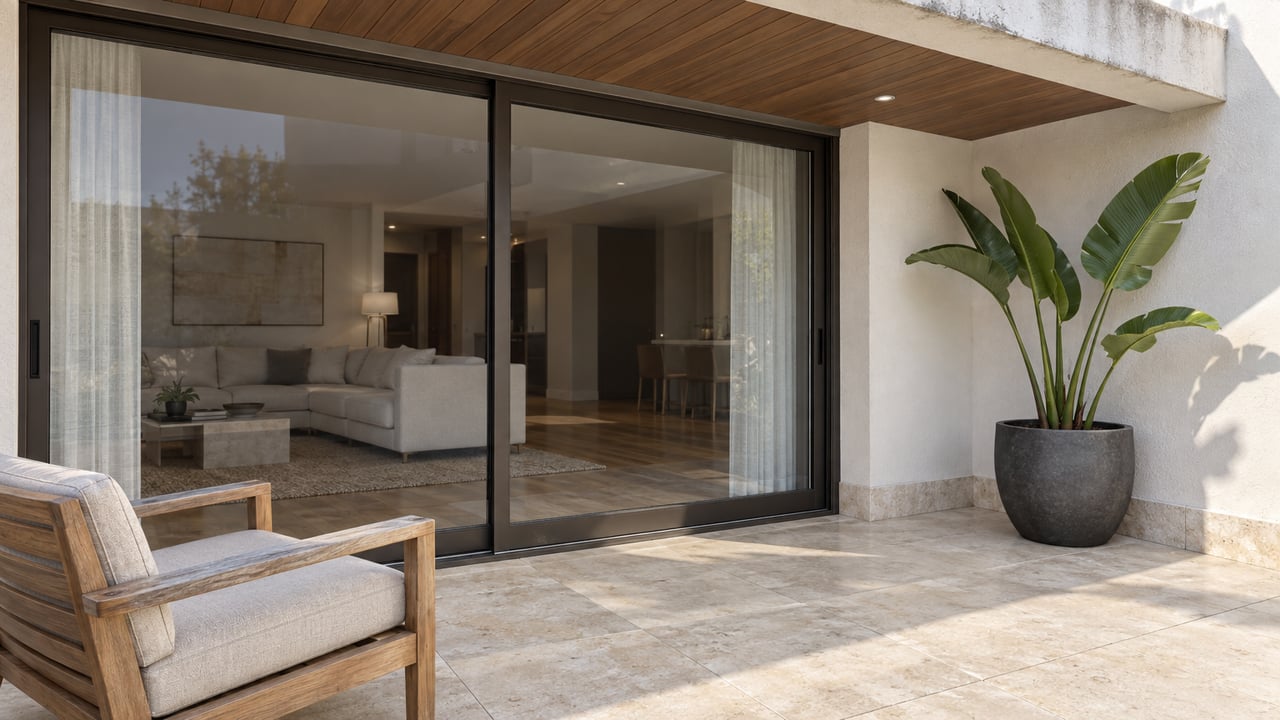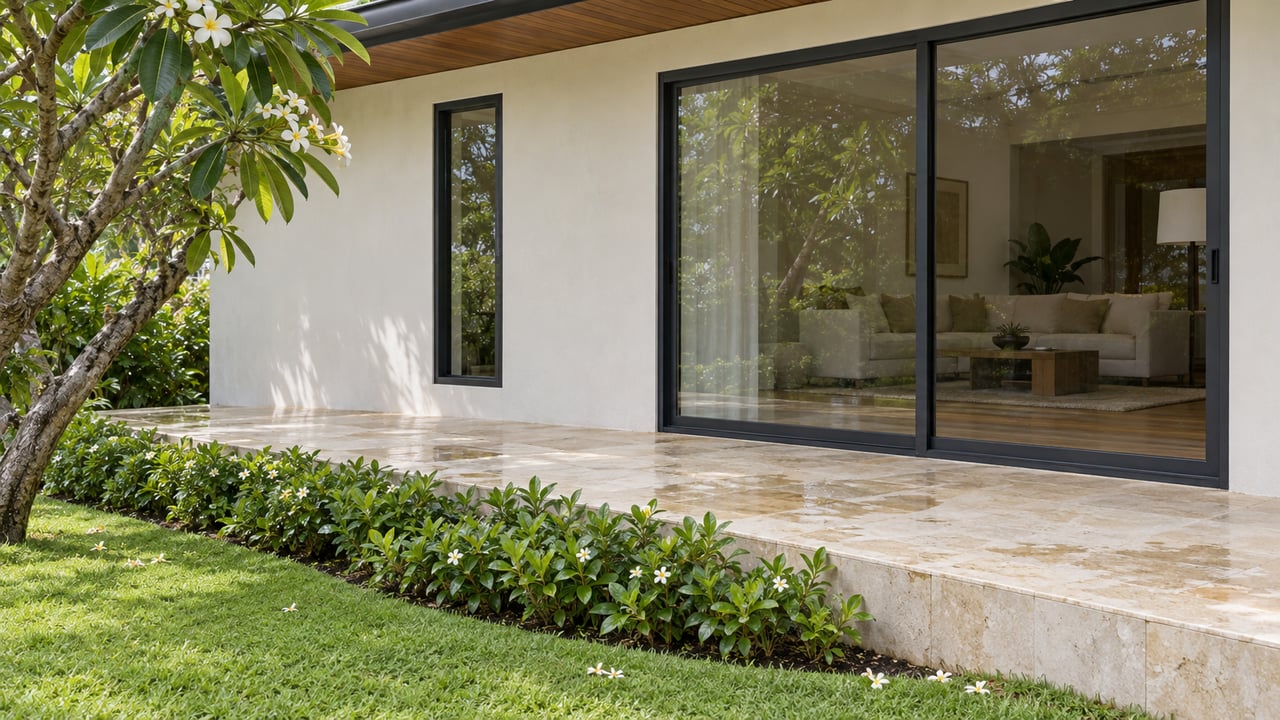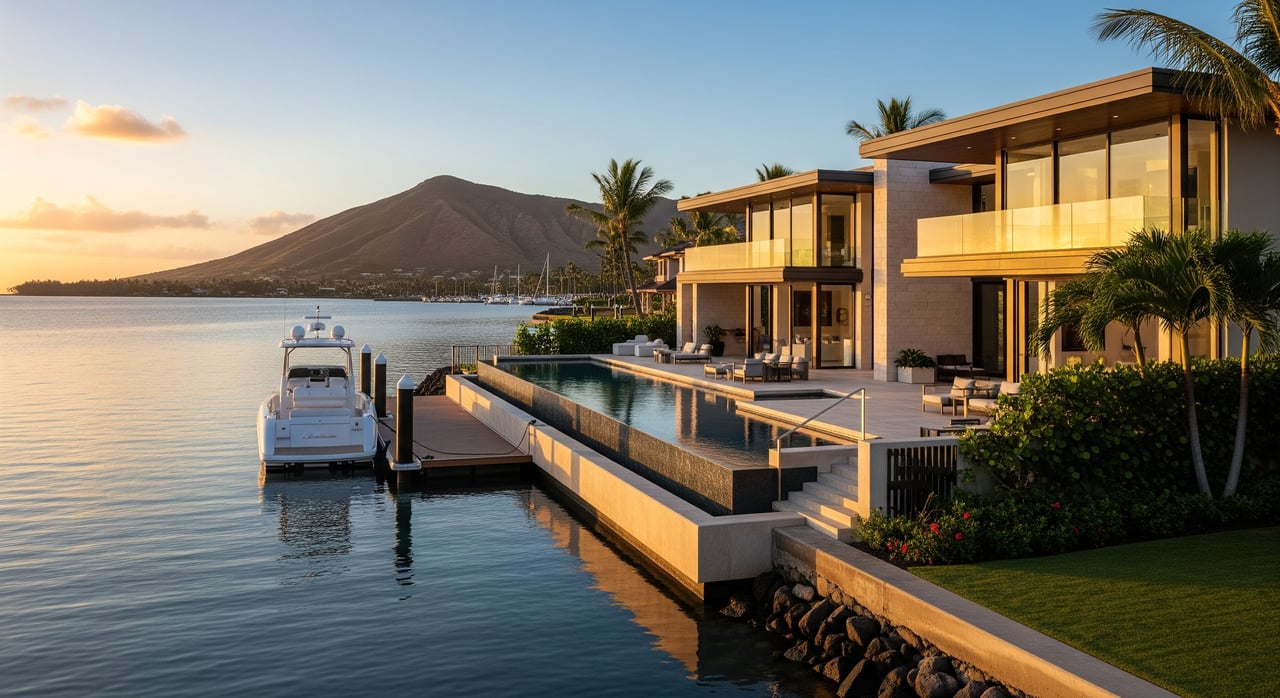
What makes one Hawaii Kai home sell faster and for more money than another just a few streets away? If you are thinking about buying or selling in East Honolulu, you want more than broad market talk. You want the specific factors that move price and days on market in this neighborhood. This guide breaks down the micro-location differences, home features, HOA and coastal considerations, and pricing dynamics that shape value in Hawaii Kai so you can move with clarity. Let’s dive in.
Hawaii Kai market basics
Hawaii Kai sits in East Honolulu and includes a mix of marina-front homes and condos, ridge properties with sweeping views, and valley or plateau subdivisions with varied lot sizes and ages. Buyers are often drawn to ocean access, view potential, and a reasonable commute to central Honolulu. The broader market responds to inventory levels, interest rates, and the lifestyle appeal of water and view living relative to maintenance costs.
For current statistics such as median price, inventory, and days on market, look to local sources like the Honolulu Board of REALTORS market reports and the MLS. These snapshots help you read momentum, but pricing still comes down to the micro-features of each property.
Micro-location value drivers
Marina-front vs. ridge homes
Marina-front homes typically command a premium because of direct water access, private mooring options, and rare views. You will want to account for higher maintenance, potential marina association fees, and insurance for properties near the water. Ridge homes, by contrast, trade on panoramic ocean and mountain views, stronger breezes, and a lower exposure to coastal hazards. Both settings are desirable, and each attracts a different buyer pool, which affects liquidity and time to sell.
Views that command premiums
In Hawaii Kai, view quality is often the single biggest price lever. Unobstructed ocean or wide marina views usually rate highest, with sunset or Diamond Head sightlines adding appeal. The permanence of a view matters too. It helps to check planning layers and recent permits nearby to gauge whether a future structure could affect the current view.
Lot orientation and breezes
Orientation to the northeast trade winds shapes comfort and energy use. Homes that catch cross-breezes often feel cooler and rely less on air conditioning. Sun exposure matters as well, including where the morning or afternoon light hits your lanai and interior rooms. Usable yard space, slope, and privacy from neighboring homes also influence how much of the lot you can truly enjoy.
Street position and access
Cul-de-sacs and quiet interior streets can add day-to-day livability and reduce traffic noise. Proximity to arterial roads may lower value compared with similar homes set back from busy routes. Commute convenience to H-1 and access to shopping, schools, and medical services factor into buyer decisions, especially for full-time residents.
Features that influence price
Condition and updates
Many Hawaii Kai homes were built between the 1970s and 1990s, so modernization can have a noticeable impact on price and time on market. Durable, marine-friendly finishes like stainless steel and salt-tolerant exterior coatings are often viewed as smart upgrades. Addressing roof condition, termite issues, and exterior maintenance before listing can shorten negotiations and reduce repair credits.
Indoor-outdoor living and lanais
Buyers look for seamless indoor-outdoor flow with covered lanais that frame the best views. Well-planned outdoor spaces extend living and entertaining areas and can make a mid-size home live larger. Privacy from neighbors and wind exposure on lanais also shape day-to-day enjoyment.
Pools, landscaping, and storage
A pool can differentiate a listing and add lifestyle value, though it comes with ongoing upkeep and insurance considerations. Thoughtful, low-maintenance landscaping supports curb appeal and photo quality. Storage for boards, kayaks, and boating gear, plus a two-car garage or convenient guest parking, are practical features that buyers notice.
Presentation and marketing
In a visual market like Hawaii Kai, the way a property is presented influences both price and speed to contract. Professional photography, drone imagery for views and water access, virtual tours, and tasteful staging help your listing shine against similar homes. Strong presentation can reduce days on market and improve your negotiating position relative to comparable properties that are poorly marketed.
HOA, permits, and coastal factors
HOA fees and documents
Many marina communities and some planned subdivisions have HOAs with monthly assessments. Fees, reserves, special assessment history, pet and rental rules, and parking restrictions all affect affordability and buyer confidence. If a slip is involved, confirm whether it is deeded or leased and how maintenance is handled. Sellers should share HOA budgets, minutes, and CC&Rs early so buyers can review them before removing contingencies.
Shoreline rules and certifications
Coastal properties in Hawaiʻi fall under state and county rules that include shoreline setbacks, shoreline certifications, and Special Management Area considerations for certain projects. Some shoreline armoring or seawall work can be restricted or difficult to permit, which can affect long-term plans and value for immediate waterfront properties. If a home is near the shore or marina, verify past permits, shoreline certifications, and any recorded encroachments.
Flood, tsunami, and insurance
Many low-lying or marina-adjacent lots sit in higher FEMA flood zones and may require flood insurance. Tsunami evacuation mapping, NOAA sea level rise projections, and local resilience plans are useful for understanding long-term risk and possible future insurance costs. Lenders and insurers are paying more attention to climate-related exposure, which can influence premiums, deductibles, and policy availability for waterfront homes.
Lending for condos and waterfront
Condominium projects must meet lender requirements for financing. FHA or VA eligibility can widen the buyer pool. Waterfront and high-hazard properties may face different underwriting standards, so it is smart to get insurance quotes and lender guidance early in the process.
Pricing and comps
What appraisers adjust for
Appraisers and agents look for recent sales within the same micro-neighborhood and then adjust for things like view quality, marina slip rights, lot size and buildable area, condition and renovations, pool and landscaping, garage and parking, and monthly HOA fees for condos. They also consider qualitative factors such as the permanence of a view and exposure to waterfront risks.
Pricing sensitivities you should know
- Unobstructed ocean or panoramic marina views often drive the highest price per square foot.
- A deeded or assigned boat slip can add a meaningful premium, depending on size and maintenance terms.
- High HOA fees without strong reserves can dampen demand, while well-funded HOAs with amenities can support values.
- Buyers sometimes pay for location and view over interior upgrades, and well-renovated homes without a view can compete strongly at mid-price points.
Days on market and timing
Days on market in Hawaii Kai depend on pricing relative to close comps, the quality of marketing, and the active buyer pool. Seasonal travel can affect showing activity, yet interest rates and accurate pricing usually matter more. Listings priced to the micro-market, not broad neighborhood averages, tend to move faster and with fewer concessions.
Due diligence checklists
For buyers
- Verify FEMA flood zone and whether flood insurance is required.
- Review shoreline certification and any setbacks if near the coast or marina.
- Read HOA documents, including budgets, minutes, reserve studies, CC&Rs, and any slip ownership or lease terms.
- Confirm property taxes and any special assessments with the City and County.
- Order inspections for structure, roof, termite, mold, and systems, and commission a survey if boundaries are a concern.
- Check recent permits and planning records for nearby projects that could affect views or traffic.
- Obtain homeowner, wind or hurricane, and flood insurance quotes early.
- Confirm lender guidelines for waterfront properties and condo project eligibility if relevant.
For sellers
- Tackle deferred maintenance and consider prelisting inspections to reduce post-offer renegotiation.
- Refresh curb appeal, declutter, and stage indoor and outdoor spaces; plan for professional photos and drone shots.
- Provide HOA documents upfront, and highlight marina slip rights and recent capital repairs that reduce buyer uncertainty.
- Price to the micro-location by choosing comps with similar view, slip access, and lot orientation, not broad averages.
- If near the shoreline, gather permits, certifications, and any mitigation documentation to share with buyers.
Put insight into action
Every Hawaii Kai home tells a different value story. When you balance micro-location, view plane, orientation to trade winds, condition, and HOA and coastal factors, you position yourself to price and negotiate with confidence. If you want a clear plan tailored to your property or search, you will benefit from local eyes on the details and thoughtful, design-forward presentation.
For a tailored pricing review, staging and photography plan, or a buyer due diligence roadmap, connect with Mavis Nellas and Schedule a Free Consultation.
FAQs
How do marina slips affect Hawaii Kai prices?
- A confirmed, deeded or assigned slip often adds a meaningful premium because slips are scarce. The impact depends on slip size, ownership versus lease terms, and ongoing maintenance fees documented by the HOA.
Do mountain or ocean views hold their value over time?
- Views generally remain a strong value driver, but the permanence of the view is key. Check planning layers and recent permits nearby to gauge the chance of future blockage.
How do HOA fees influence what I can afford?
- Monthly fees are part of your total housing cost, so higher fees can reduce buying power. Strong reserves and clear capital plans can support values by lowering uncertainty about special assessments.
Should I be concerned about sea level rise when buying near the marina?
- Focus on your specific lot’s elevation, FEMA flood designation, and current insurance requirements. For longer horizons, review sea level rise projections and local resilience plans to understand potential cost and policy changes.
What makes a ridge home attractive compared with waterfront?
- Ridge homes often offer wider views, more breeze, and less exposure to coastal hazards. Waterfront homes deliver direct water access and a unique lifestyle, though they typically carry higher maintenance and insurance costs.
How should I pick comps for pricing a Hawaii Kai home?
- Use recent sales from the same micro-neighborhood that match view quality, marina access, lot orientation, and condition. Then adjust for differences such as renovations, pool, parking, and HOA fees for condos.