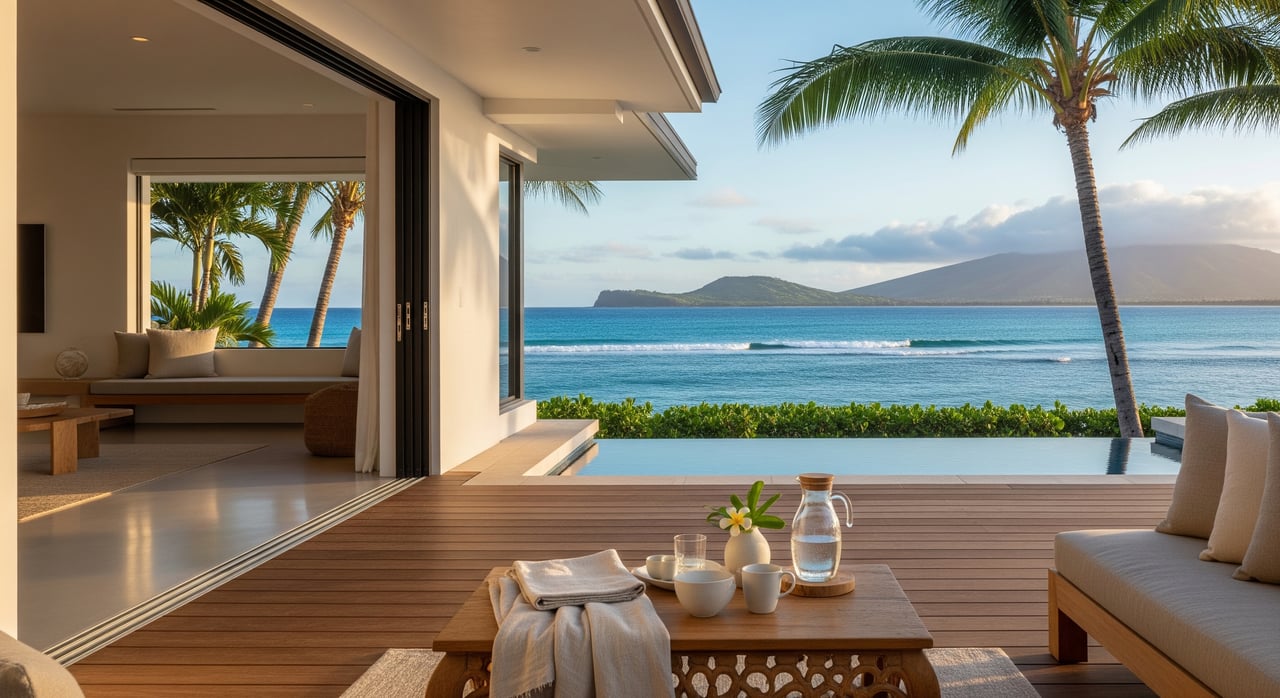
Trade winds in your hair, the Koʻolau ridgeline glowing green, and the ocean just a few minutes away. If you are picturing everyday life in Kailua or Kāneʻohe, you are not alone. Many buyers and relocators start here because of the beaches, community feel, and easy access to outdoor fun. In this guide, you will see how daily rhythms, commutes, services, and costs come together on Windward Oʻahu so you can decide if it fits your lifestyle. Let’s dive in.
Windward vibe at a glance
Windward Oʻahu blends year‑round residential life with strong local ties and an active outdoor culture. Kailua feels like a beach town with a concentrated center of cafés, boutiques, and fitness studios. Kāneʻohe offers more conventional retail hubs, including Windward Mall, and a larger military presence near Marine Corps Base Hawaii. You will notice a mix of long‑time kamaʻāina families, military households, newcomers, and retirees who value stewardship of cultural and natural resources.
Weather and microclimate
You can expect cooler, greener, and wetter conditions than Honolulu’s south shore. Trade winds keep temperatures comfortable, typically in the mid‑60s to mid‑80s °F for much of the year. Rain showers are common, which is why valleys are lush and the mountains stay vibrant. If you like mild temperatures and green scenery, Windward weather is a daily highlight.
Getting around and commutes
Most drivers head to Honolulu through the Pali or Likelike corridors or connect via H‑3 depending on the destination. Traffic is time‑sensitive, so commute length can change a lot between early morning and rush hour. TheBus provides service across the island, but Honolulu’s rail line does not reach Kailua or Kāneʻohe, so transfers are needed. Kailua town is the most walkable pocket; many other neighborhoods are car‑dependent.
A day in the life
Mornings often start at the beach. You will see swimmers, stand‑up paddlers, and outrigger crews greeting sunrise on Kailua Bay, and paddlers heading out on Kāneʻohe Bay. During the day, many residents commute to Honolulu while others work locally in health care, education, retail, construction, or on base. Evenings lean community‑focused with farmers’ markets, faith gatherings, and family time at parks and beaches.
Beaches and local etiquette
Kailua Beach Park and Lanikai are beautiful and popular. Parking is limited near some access points, and certain streets have restrictions. Plan ahead, read posted signs, and respect private driveways and no‑parking zones. Kāneʻohe Bay’s sandbar is a favorite for family outings by boat; follow boating rules and safety guidance to keep everyone safe.
Outdoor recreation highlights
Ocean time is part of daily life. You can kayak or paddle from Kailua toward the Mokulua islets or explore the calm waters of Kāneʻohe Bay. For hiking, Kaiwa Ridge, known as the Lanikai Pillbox, offers views with a moderate effort, while Olomana’s Three Peaks is beautiful but challenging and requires caution. Hōomaluhia Botanical Garden is a go‑to for scenic walks and picnics, and nearby Kawainui Marsh and Heʻeia Fishpond connect you with ongoing cultural and ecological restoration efforts.
Shopping, dining, and services
Kailua’s town center is packed with cafés, boutiques, yoga and fitness studios, and small grocers. In Kāneʻohe, Windward Mall and surrounding centers offer larger retailers, supermarkets, banks, and everyday services. For some specialty shopping or advanced medical services, you will likely head into Honolulu. Many residents balance local convenience with occasional city errands.
Schools and education
Public K–12 schools are part of the Hawaii Department of Education system, with private and charter options also present. School zoning can change, so it is best to confirm boundaries and programs directly with official sources. Windward Community College in Kāneʻohe offers associate degrees and community classes, and it serves as an important local learning hub. Families often appreciate the convenience of nearby education and enrichment programs.
Housing expectations and costs
Oʻahu is one of the highest‑cost housing markets in the country, and Windward communities are usually on the higher end. Oceanfront and Lanikai homes tend to command premium prices. Interior Kailua neighborhoods and many Kāneʻohe areas can be relatively more affordable by comparison, though still above national averages. If you want the most current numbers, check recent MLS or Hawaii Association of Realtors reports and consider the seasonal nature of the market.
Rentals and short‑term rules
Rental demand is steady from local workers and military families. Short‑term vacation rentals are more restricted than in years past, and rules continue to evolve. If you are considering an investment or occasional rental use, verify City and County of Honolulu regulations and any HOA covenants before you buy. Clear due diligence helps you align your plans with current policy.
Utilities and internet
Standard utilities are handled by island and county providers. Internet service is widely available, including fiber in some micro‑neighborhoods. Speeds and providers can vary by street, so confirm availability for the specific address you are considering. This is especially helpful if you work from home or plan to stream high‑bandwidth content.
Safety and natural hazards
Public safety concerns vary by neighborhood, with vehicle break‑ins and property thefts sometimes reported at busy beach parking areas. Many residents practice common‑sense habits like removing valuables from cars. Because these are coastal and mountain‑adjacent communities, it is smart to review flood, erosion, and landslide risk, along with tsunami evacuation maps. Hurricane season runs June through November, and basic preparedness is a normal part of island life.
Healthcare access
You will find primary care and urgent care options on the Windward side. For specialty care and hospital services, many residents go into Honolulu. If access to certain providers is essential, look up current availability and plan your commute times. Building a local care plan can help smooth your transition.
Community and civic life
Windward residents are active stewards of the land and water. Efforts at Kawainui Marsh and Heʻeia Fishpond welcome volunteers and offer cultural education. You will also see community conversations around shoreline access, visitor parking, and neighborhood character. The presence of Marine Corps Base Hawaii influences local rhythms and housing demand, and base traffic can affect certain routes.
Is Windward life right for you?
You might love Kailua or Kāneʻohe if you want daily access to beaches, paddling, and green mountain views. You value a strong community feel and do not mind a little rain for the lush scenery. You are comfortable planning around rush‑hour traffic and weekend crowds at popular beaches. You are ready for higher housing costs in exchange for lifestyle and location.
If you are weighing neighborhoods, commute routes, and timing, a local plan can make all the difference. For tailored guidance on homes, micro‑neighborhoods, and a stress‑reduced purchase process, connect with Mavis Nellas for a friendly, no‑pressure conversation.
FAQs
How does the commute from Kailua or Kāneʻohe to Honolulu work?
- Most drivers use the Pali or Likelike corridors or connect via H‑3; travel time varies by time of day, and rush hours can add significant delays.
Does the rail (Honolulu Skyline) serve Kailua or Kāneʻohe?
- No, the rail line does not reach the Windward side; you can use TheBus and transfers if you prefer public transit.
What are beach parking rules in Kailua and Lanikai?
- Parking is limited and certain streets have restrictions; always read posted signs and avoid blocking private driveways or no‑parking zones.
What should I know about short‑term rentals on the Windward side?
- Short‑term vacation rentals face stricter regulations; verify City and County rules and any HOA covenants before moving forward.
How expensive are homes in Kailua and Kāneʻohe?
- Prices are among the higher on Oʻahu, with oceanfront and Lanikai commanding premiums; check current MLS or Hawaii Association of Realtors reports for up‑to‑date figures.
Where can I find information about schools that serve my address?
- Confirm zoning and programs with the Hawaii Department of Education and contact schools directly, especially if you have specific program needs.