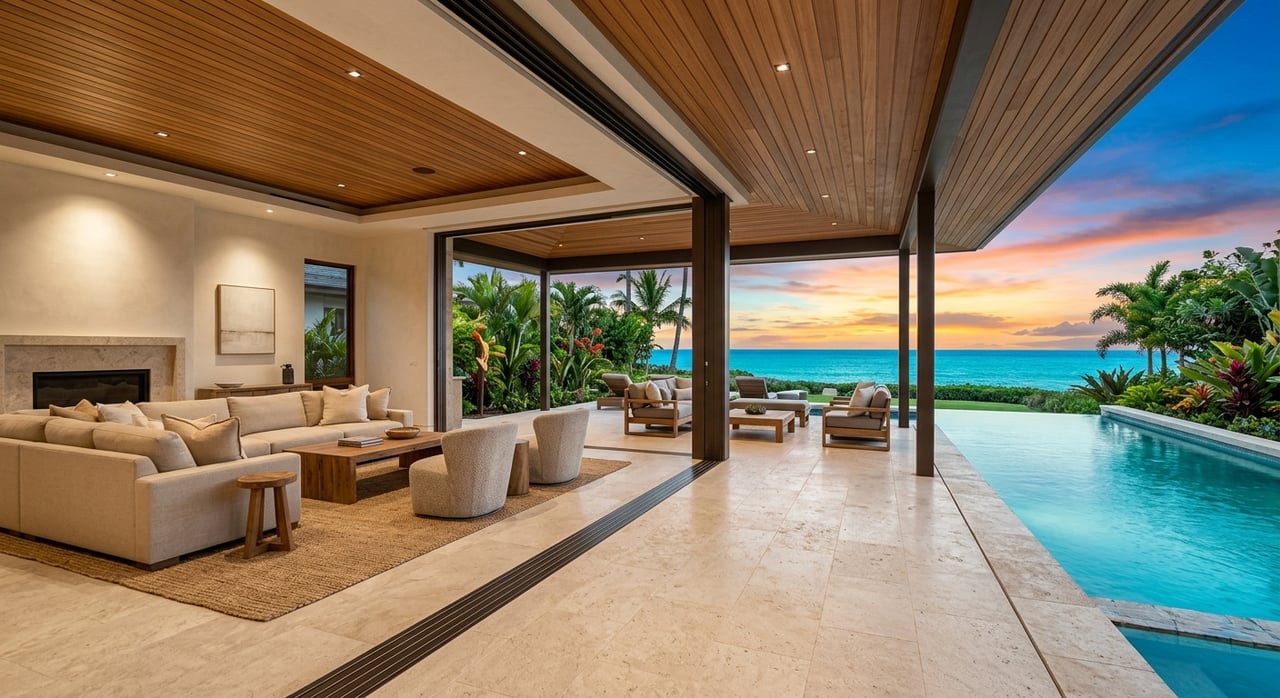
What makes a Koko Kai or Portlock home stop a buyer in their tracks? In many cases, it is not just the square footage or finishes. It is that instant, wide-open connection to Maunalua Bay, Diamond Head, Koko Head, and the Pacific. If you are preparing to sell, the goal is to make that view feel effortless from the first photo to the final showing. Let’s dive in.
Why ocean views lead the story
Koko Kai and Portlock sit along the Maunalua Bay side of East Honolulu, where the shoreline, bay, and headlands create a dramatic coastal setting. State coastal materials describe this area as part of the Maunalua embayment, which helps explain why the view is such a defining feature in this market.
In other words, the ocean vista is not a small extra. In many listings here, it is one of the main reasons buyers are interested in the home in the first place. That means your marketing should treat the view as a central feature, not a side note.
How to stage for sightlines
When a home has a standout horizon line, every staging choice should support it. The goal is simple: help buyers look through the home and out to the water without visual distractions pulling attention away.
That approach also lines up with broader buyer behavior. In the National Association of Realtors 2025 staging report, 83% of buyers’ agents said staging made it easier for buyers to picture a property as their future home.
Keep the great room visually light
In view properties, the great room often carries the first big reveal. Remove bulky furniture, simplify accessories, and create enough space so the eye can travel easily from the entry through the living area toward the ocean.
Neutral styling tends to work best here. According to NAR consumer guidance, staging should create a clean, neutral backdrop with personal items packed away and oversized pieces removed.
Edit the primary suite carefully
If the primary bedroom opens to a lanai or has strong ocean exposure, keep the room especially calm and uncluttered. You want the bedroom to feel restful, but you also want buyers to notice what they wake up to.
Simple bedding, limited decor, and open pathways help the room read clearly. Overfilled closets and crowded corners can make even a large suite feel tighter than it is.
Let the lanai do its job
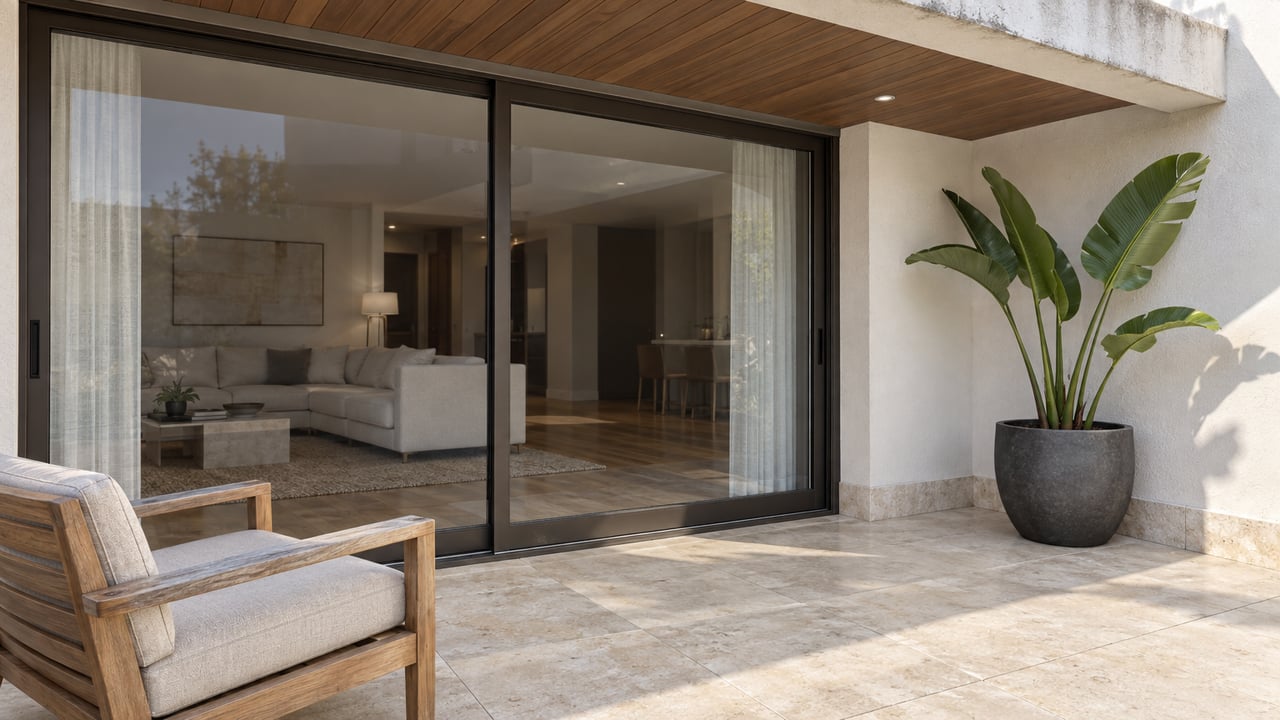
In Koko Kai and Portlock, the lanai is often part of the main lifestyle story. A few well-placed pieces can suggest morning coffee, sunset dining, or quiet ocean breezes, but too much furniture can block the very feature buyers came to see.
Outdoor staging guidance supports a simple approach. Keep the space uncluttered, easy to picture using, and open enough that the horizon stays the focus.
Prepare windows and interior lines
Views do not sell themselves if the home gets in their way. A few practical prep steps can make a major difference in both listing photos and in-person impressions.
Open blinds and reduce barriers
Zillow’s photography guidance recommends opening blinds, removing window screens when appropriate, and avoiding large objects in the foreground. These small changes help more natural light come in and make the outdoor view feel sharper.
Interior doors matter too. Leaving doors open helps the layout read more clearly and can strengthen the sense of flow from one room to the next.
Remove distractions near glass
Anything placed directly in front of major windows can interrupt the visual payoff. Tall plants, oversized chairs, busy decor, and dark furniture can all compete with the ocean backdrop.
Before photos or showings, step back and look at each major room from the doorway. If your eye lands on furniture instead of water, horizon, or sky, it may be time to simplify.
Use media that captures the setting
For high-view homes, strong visuals are not optional. They are one of the most important parts of your marketing plan, especially in Hawaii where many buyers may start from out of state or narrow choices online before visiting.
NAR advises sellers and agents to share as much visual information as possible through photos, video, virtual tours, floor plans, and live digital walkthroughs. In its 2024 buyer survey, photos were the most useful website feature for nearly 9 in 10 buyers age 58 and under. Floor plans, virtual tours, and videos also ranked as useful tools.
Prioritize still photography first
Photos are still the foundation of most listing marketing. In NAR’s 2025 staging report, 73% of buyers’ agents said photos were important or more important in presenting a home.
That matters even more in a neighborhood where the difference between a nice image and a great image can be the difference between “ocean glimpse” and “wow.” Professional photography should clearly show where the view appears in the home and how it connects to the main living spaces.
Add video and virtual tours
Video helps buyers understand movement through the property. For homes with indoor-outdoor flow, that can be especially powerful because it shows how a great room opens to a lanai and how the view unfolds as you walk through the space.
Virtual tours can also help long-distance buyers feel more confident. If someone is comparing several East Honolulu properties from afar, better media can help your listing stand out early.
Include floor plans for clarity
A floor plan helps buyers understand how the home is oriented around the view. It answers practical questions quickly, such as whether the primary suite faces the water, how the lanai connects to the living area, or how much of the layout benefits from the setting.
That extra context can make your photos more persuasive because buyers can place each view in the bigger picture of the home.
Consider aerials and 3D tours
Aerial photography and 3D tours can be especially effective in Portlock and Koko Kai. These tools show not only the home itself, but also how it sits near the shoreline and how the broader setting opens toward Maunalua Bay, Diamond Head, and the Pacific.
For some listings, this is the clearest way to communicate the property’s position and orientation. Aerials can also help buyers understand privacy, lot shape, and the relationship between the home, the coast, and surrounding streets.
If drone media is used for commercial real estate marketing, FAA Part 107 rules apply. FAA guidance also limits routine flying to daylight and certain twilight windows when proper lighting requirements are met.
Time the shoot for the right light
Light can completely change how a view property reads online. A rushed photo session at the wrong time of day can flatten the ocean color, wash out interiors, or miss the sunset mood buyers associate with coastal living.
Split the shoot if needed
Midday is often useful for bright, clean interior coverage. Sunset and twilight, however, may be better for capturing dramatic skies and the emotional side of the ocean view.
NAR describes dusk after the sun has dipped below the horizon as a strong time for listing imagery. BYU-Hawaii photography guidance also notes that the best light is often during golden hour, roughly about an hour after sunrise and an hour before sunset.
Check seasonal timing
Sunrise and sunset times shift throughout the year, so timing should be planned by date rather than guessed. NOAA provides Honolulu sunrise and sunset tables, which can help sellers and photographers coordinate the best schedule.
For a premium listing, it often makes sense to plan dedicated twilight images instead of trying to capture every shot in one session.
Keep virtual staging honest
Some homes show beautifully empty, while others benefit from a light virtual staging touch in a room or on a lanai. If virtual staging is used, it should help buyers understand scale and function without misrepresenting the home.
NAR says material changes made through virtual staging should be disclosed. In a view-driven listing, that is especially important because buyers are responding to the real spatial experience and the real relationship between the room and the water.
Watch shoreline presentation details
For homes with direct beach frontage, presentation is not just about style. It also includes basic shoreline awareness.
Hawaiʻi DLNR has reminded Portlock homeowners that beaches are public and shoreline vegetation cannot encroach on the public beach right-of-way. For sellers, the practical takeaway is to keep shoreline landscaping trimmed, keep access clear, and make sure staging items do not spill into the public zone or create visual clutter in marketing photos.
Write the listing around the view experience
Public luxury listings in Portlock and Koko Kai tend to repeat a few themes: panoramic ocean views, broad lanais, indoor-outdoor living, sunset skies, and framing that draws the eye straight through the home. That pattern is worth paying attention to.
The strongest listing copy usually does more than list upgrades. It explains how the home lives with the setting, where the horizon appears, and what makes the experience of being there feel memorable.
Focus on view corridors
Instead of simply saying a home has ocean views, describe where those views show up. Is the first reveal from the front door? Do the great room and lanai align with Maunalua Bay? Does the primary suite open toward sunrise light or sunset color?
Specific language helps buyers picture the home before they visit. It also makes the listing feel more tailored and more credible.
Connect design to scenery
If a home has large sliders, covered lanais, open-plan living, or minimal railings, those details matter because they support the view. In a market like this, architecture and scenery are often part of the same story.
That is one reason design-forward presentation works so well in East Oʻahu. When the home is styled and marketed with intention, buyers can more easily see how the layout, light, and landscape come together.
Why this matters for sellers
Ocean-view homes often have a short window to make a strong first impression online. Buyers may be comparing multiple listings quickly, and the homes that rise to the top usually show a clear sense of place right away.
Staging, photography, video, floor plans, and careful timing all work together to create that result. In NAR’s 2025 staging report, about half of sellers’ agents reported that staged homes spent less time on market, and 17% of buyers’ agents said staging increased dollar value offered by 1% to 5%.
For Koko Kai and Portlock sellers, the lesson is simple: when the view is the headline, every marketing choice should help buyers feel it.
If you are thinking about selling a view property in East Oʻahu, a tailored presentation plan can make all the difference. For staging guidance, listing strategy, and polished marketing built around your home’s strongest features, schedule a free consultation with Mavis Nellas.
FAQs
How should you stage a Koko Kai ocean-view home before listing?
- Keep key spaces neutral and uncluttered, remove bulky furniture, open sightlines to the water, and make sure the lanai, great room, and primary suite support the view instead of blocking it.
What listing photos matter most for a Portlock view property?
- Strong still photography is essential, and it is often most effective when paired with twilight images, floor plans, video walkthroughs, and virtual tours that show how the home connects to the ocean setting.
Why are aerial photos helpful for Koko Kai and Portlock listings?
- Aerials can show how the home sits near the shoreline and how its orientation relates to Maunalua Bay, Diamond Head, and the wider coastal setting.
When should you schedule photography for a Honolulu ocean-view listing?
- Midday can work well for bright interior shots, while golden hour, sunset, and dusk are often better for dramatic ocean and sky images, so many listings benefit from separate photo sessions.
Can you use virtual staging in a Portlock luxury listing?
- Yes, but any material virtual changes should be disclosed, especially in a view-focused home where buyers want an accurate sense of the real space and its relationship to the ocean.