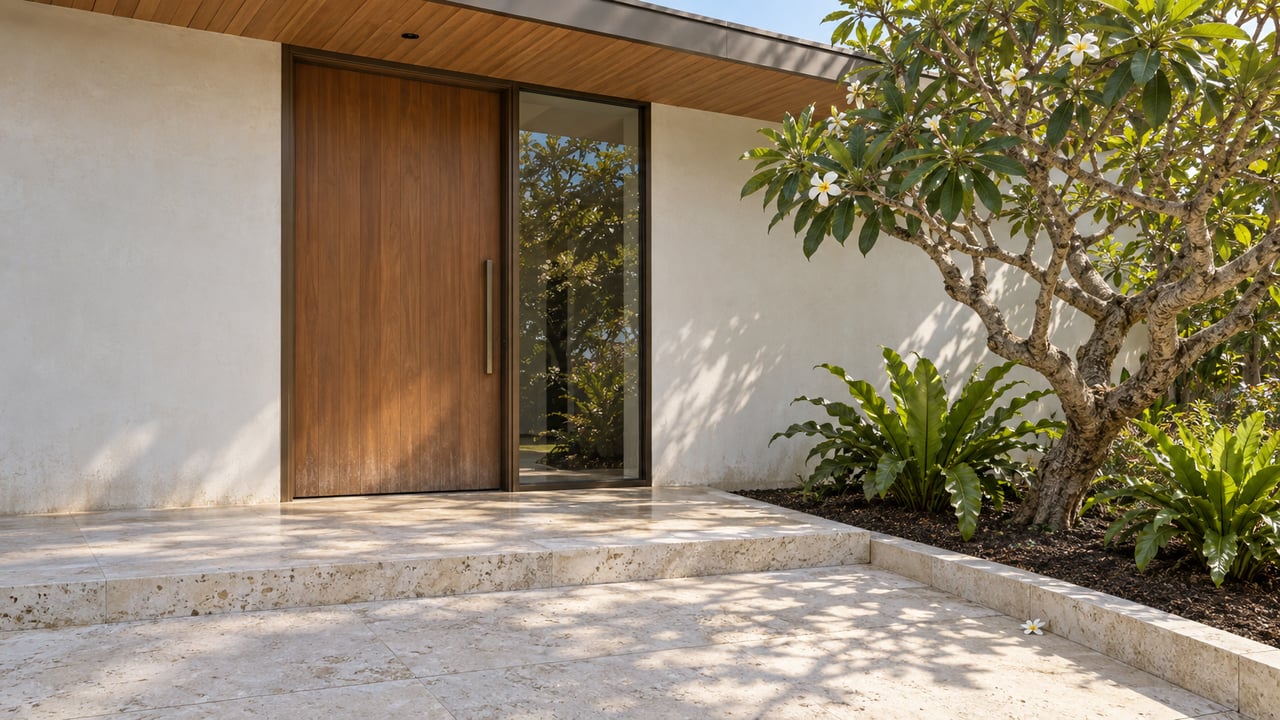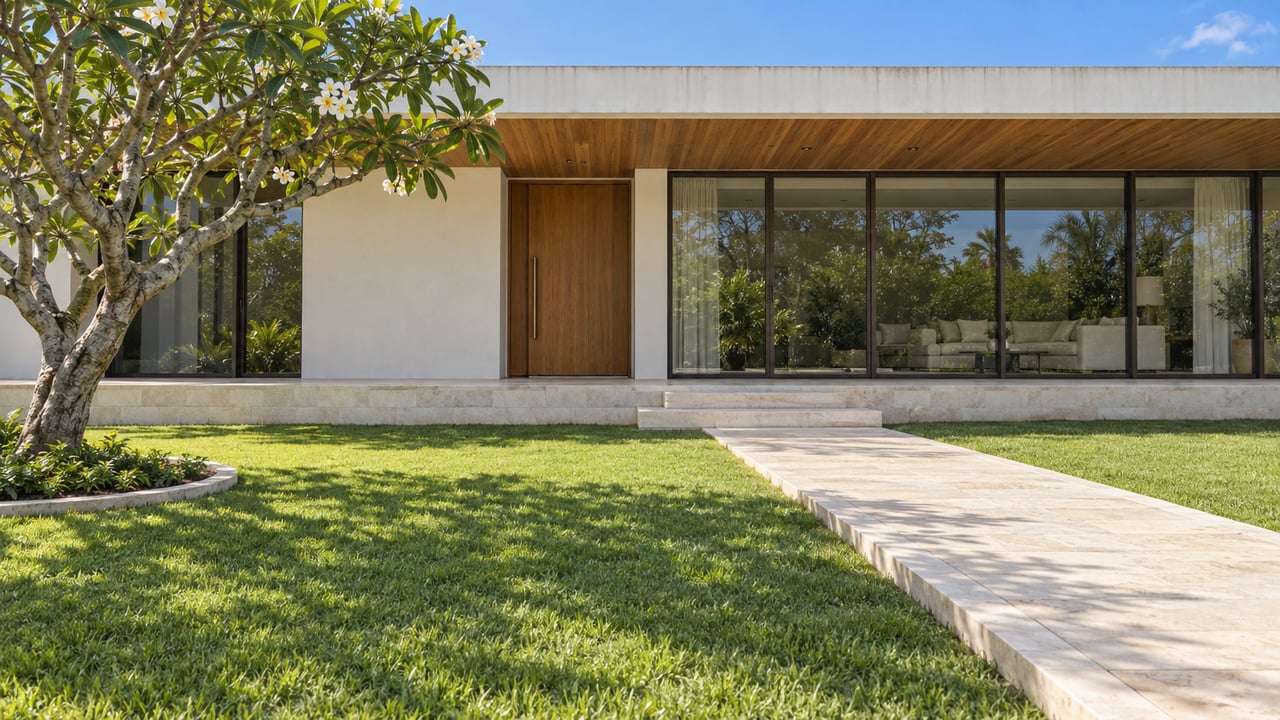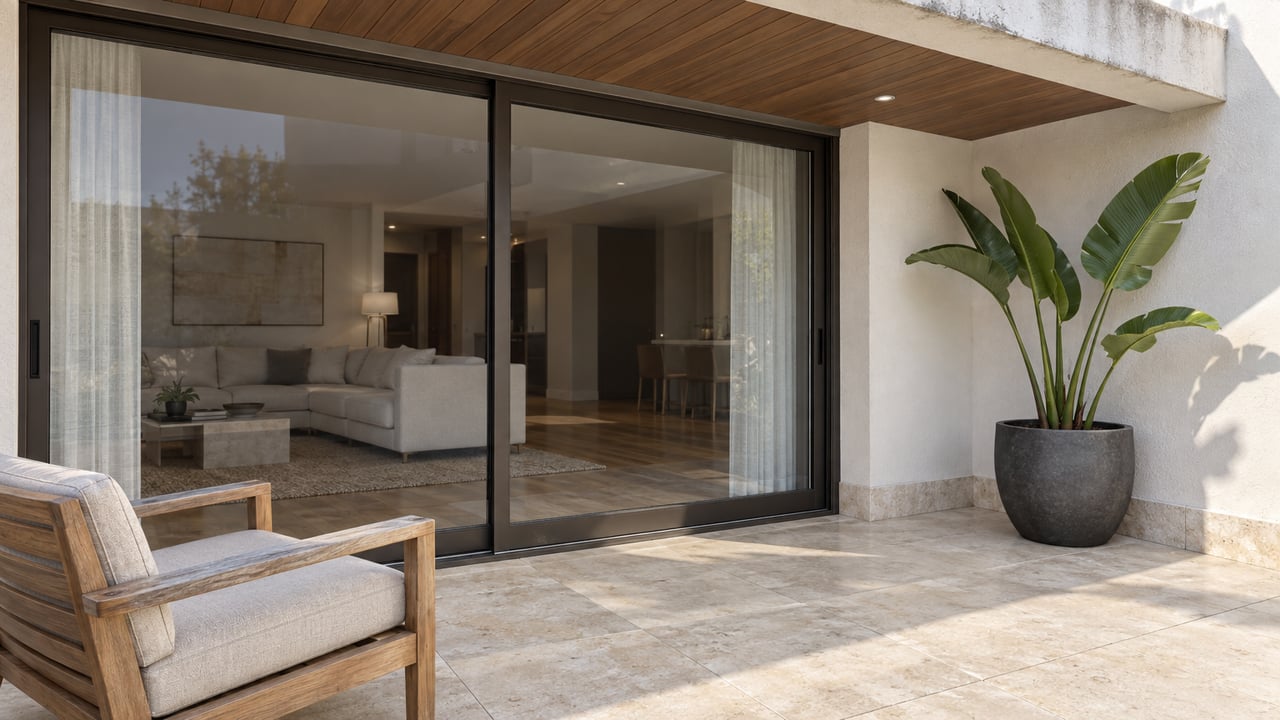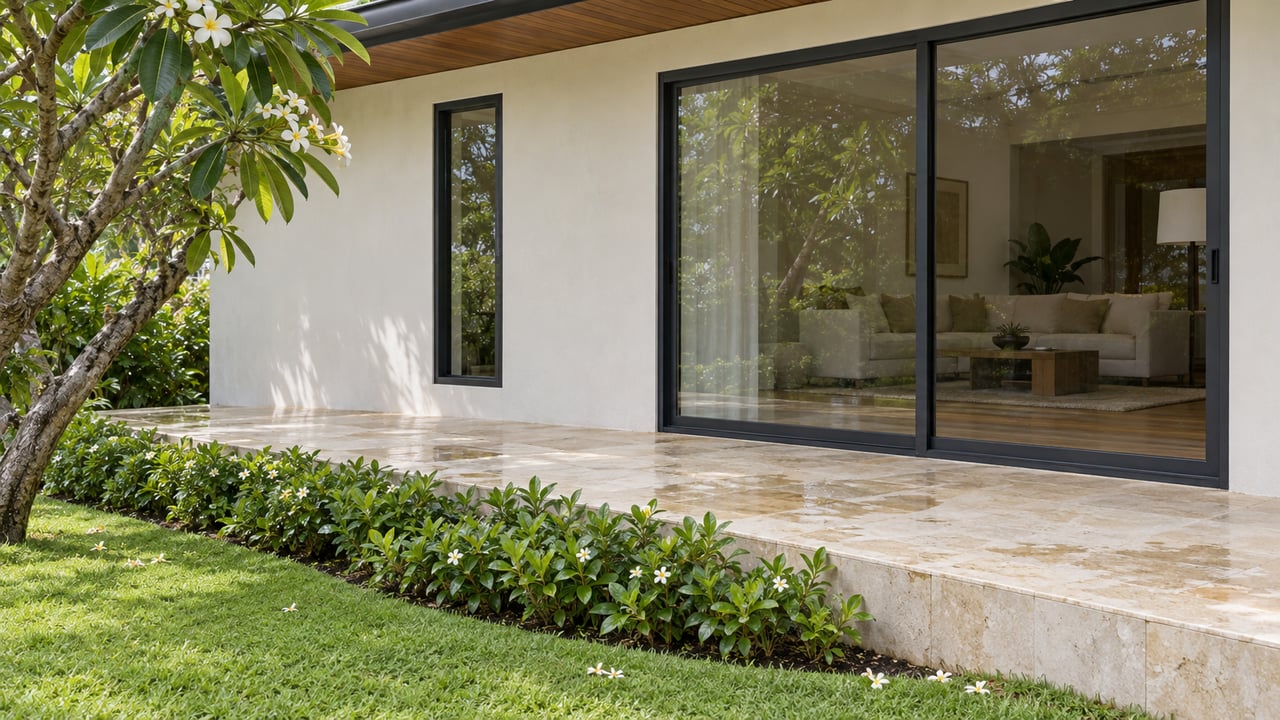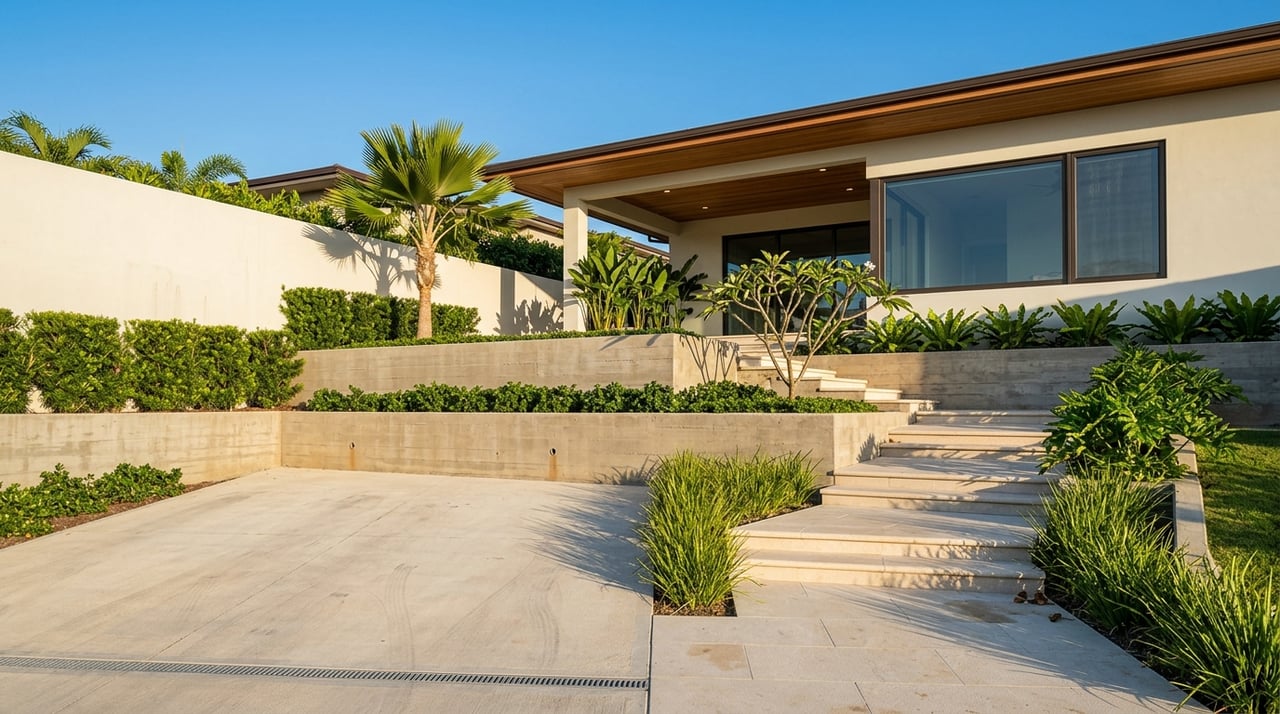
Looking at homes in Portlock and Koko Kai can feel simple at first glance. They share the same East Honolulu coastline, similar price brackets at the upper end, and the same easy access to Maunalua Bay amenities. But once you look closer, the way a lot sits on the land and the way a home is designed can completely change how you live there. If you are comparing these micro-pockets, understanding lot size, shape, grade, and architecture will help you see beyond the neighborhood label and focus on daily lifestyle. Let’s dive in.
Why micro-location matters here
Portlock, Koko Kai, and the Maunalua Triangle are best understood as neighboring pockets along the same shoreline and lower Koko Head area. Public listing descriptions often blur the lines between them, and some homes are even described as being in the Triangle, Koko Kai, and Portlock area at the same time.
That overlap is exactly why address records and lot data matter so much. Honolulu property records can help confirm a home’s lot size, building area, year built, and property class, which gives you a clearer picture than the neighborhood name alone.
Lots shape the way you live
In this part of East Honolulu, the lot is not just where the house sits. The lot often determines privacy, views, yard space, outdoor living, and even whether a one-story floor plan feels easy and open or dramatic and layered.
A flat or gently sloped lot usually supports wider lawns, larger pool areas, and simpler indoor-outdoor flow. A rim, cliff-side, or terraced lot may offer bigger view corridors and more separation from the street, but it can trade away some usable yard depth.
Portlock lots feel estate-scaled
Portlock’s current listing sample shows a strong estate-lot pattern. Examples include nearly 13,000-square-foot level lots, 15,000-plus-square-foot oceanfront parcels, and even a 20,000-square-foot estate with mixed level and sloping topography.
What that often means for you is more breathing room. In Portlock, larger parcels can support long drive approaches, mature landscaping, wider setbacks, and a stronger sense of privacy near the shoreline.
Koko Kai lots add variety
Koko Kai offers more variety in grade and lot geometry. The current public sample includes flat oceanfront sites, cliff-side parcels, large level corner lots, and steep terraced lots with broad ocean and mountain views.
That variety creates very different living experiences from one street to the next. One home may offer easy one-level living on a flat lot above the ocean, while another may be built around terraces, elevation, and a more dramatic relationship to the view.
Triangle lots feel more conventional
The Maunalua Triangle sample leans toward more conventional subdivision geometry, though the parcels are still sizable by many standards. Current examples include an 11,534-square-foot lot, homes with level or terraced topography, and single-level layouts with covered lanais and pools.
If you want something that feels easier to understand from a planning standpoint, the Triangle often fits that profile. You may still get generous outdoor space, but the lot pattern is usually more straightforward than what you find on cliff-side or estate parcels.
Topography changes the home experience
Topography is one of the biggest hidden factors in these neighborhoods. Two homes may have similar square footage and price points, but the slope of the lot can make everyday living feel very different.
On flatter lots, outdoor life often feels seamless. It is easier to create a direct connection between interior living areas, lawn, pool, and lanai, which is part of why single-level homes are so appealing in this area.
On sloped or terraced lots, the payoff is often in the outlook. These homes can capture layered views of the ocean, Diamond Head, mountains, or coastline, and they may feel more private because the house sits above the street or is shaped around elevation changes.
Flat lots favor easy flow
Flat or gently sloped lots tend to support practical outdoor living. You are more likely to see space for a lawn, a pool, broad lanais, and walk-out access from main living areas.
This can be especially appealing if you want the house and outdoor spaces to feel integrated. It also tends to support easier one-story living, which shows up repeatedly in both Portlock and Koko Kai listings.
Terraced lots favor views
Steep or terraced lots often create a different kind of value. Instead of one broad yard plane, you may get multiple outdoor zones, stronger sight lines, and a more sculpted sense of privacy.
That can make the home feel more dramatic and more view-driven. In Koko Kai especially, this lot type often supports the elevated, open-concept homes that orient daily life toward the horizon.
Architecture tells a different story in each pocket
While lot form shapes the land experience, architecture shapes how that land is used. Across Portlock, Koko Kai, and the Triangle, the homes do not all present the same way, even when they share indoor-outdoor living features.
A recurring visual thread across all three pockets is the island lifestyle package. Public listings repeatedly highlight lanais, pools, tropical landscaping, wide glass openings, koi ponds, and water features.
Portlock leans legacy and architecturally notable
Portlock has the strongest legacy-home identity in the current sample. Public listings include a 1941 island-style estate, a 1958 Ossipoff oceanfront home, and a 1972 mid-century home.
That matters if you are drawn to homes with architectural character. In this context, mid-century modern design is often associated with low-pitched roofs, wide eaves, exposed beams, natural materials, and asymmetrical forms, which can pair beautifully with large shoreline lots.
For buyers, Portlock can offer the appeal of a remodeled legacy home with a strong sense of place. For sellers, that means architecture may be part of the value story just as much as lot size or frontage.
Koko Kai feels contemporary and view-forward
Koko Kai’s public listings read more contemporary overall. Examples include open-concept single-level layouts, large lanais, infinity pools, and outdoor gathering areas designed around the view.
If you picture daily life centered on light, openness, and a strong connection to the horizon, Koko Kai often delivers that feeling. The architecture here tends to work with the topography, using the home’s layout to emphasize elevation, outlook, and privacy.
Triangle reads practical and flexible
In the Triangle, the current sample often presents as remodeled ranch, split-level, or practical-luxury living rather than statement-estate design. You still see upgraded kitchens and baths, open-concept layouts, covered lanais, and private pools.
That can be a strong fit if you value flexibility over spectacle. These homes may feel more approachable in layout while still giving you access to the same broader East Honolulu coastal setting.
What the market tiers suggest
Current public listings point to clear differences in pricing by pocket. Portlock-specific active listings in the sample range from about $3.25 million to $14.5 million, while Koko Kai ranges from about $2.5 million to $13.9 million. The Triangle sample sits lower on average, roughly from $2.38 million to $4.2 million.
The biggest pricing drivers appear fairly consistent. At the upper end, value is often tied to direct ocean frontage, cliff or rim placement, unusually large lots, or architecturally notable homes.
At lower price points within these pockets, the premium may be less about dramatic land features and more about a solid location with a remodeled older home. That is why two homes with similar bedroom counts can live very differently, and price very differently, depending on the lot and architecture.
How to compare homes more accurately
If you are shopping in Portlock or Koko Kai, it helps to compare homes based on physical traits first and neighborhood labels second. Listing language can overlap, but land characteristics are usually more telling.
A simple way to evaluate a property is to focus on a few core questions:
- Is the lot flat, gently sloped, terraced, or cliff-side?
- How much of the outdoor space is truly usable?
- Does the home’s layout match the lot’s strengths?
- Is the value driven more by frontage, elevation, privacy, architecture, or lot size?
- Do county property records support the lot and building details being presented?
This approach helps you compare homes with more confidence. It also keeps you focused on how a property will actually feel to live in, not just how it is marketed.
Choosing the right fit for your lifestyle
If your goal is shoreline proximity, estate-scale privacy, and the chance to own a legacy-style home, Portlock often stands out. If you are drawn to elevation, layered views, and homes that feel more separated from the street, Koko Kai may feel more aligned.
If you want a more conventional lot pattern and a flexible floor plan while staying close to the same Maunalua Bay services and amenities, the Triangle can be worth a serious look. In all three, the real difference is less about basic convenience and more about land form, view orientation, and the way the home is designed to live on the site.
When you understand those details, you can shop smarter, price more accurately, and choose a home that fits the way you want to live every day. If you are thinking about buying or selling in Koko Kai, Portlock, or the surrounding East Oʻahu neighborhoods, Mavis Nellas can help you evaluate the lot, architecture, and market positioning with a local, design-aware perspective.
FAQs
How are Portlock and Koko Kai different for buyers?
- Portlock usually offers more shoreline proximity and estate-scale lots, while Koko Kai often offers more elevation, layered views, and varied topography.
Why does lot topography matter in Koko Kai?
- Topography affects privacy, view corridors, usable outdoor space, and how easily the home connects to lanais, pools, and yard areas.
What kind of homes are common in Portlock?
- Current public listings show a mix of legacy properties, including island-style, mid-century, and architecturally notable homes on large lots.
Are Koko Kai and Maunalua Triangle the same area?
- They are adjacent micro-pockets, and listing descriptions often overlap, so address records and lot data are usually more precise than neighborhood labels alone.
How can you verify lot size and building details in Honolulu?
- Honolulu property records can be searched by site address or TMK and show details like lot size, building area, year built, property class, and assessed value.